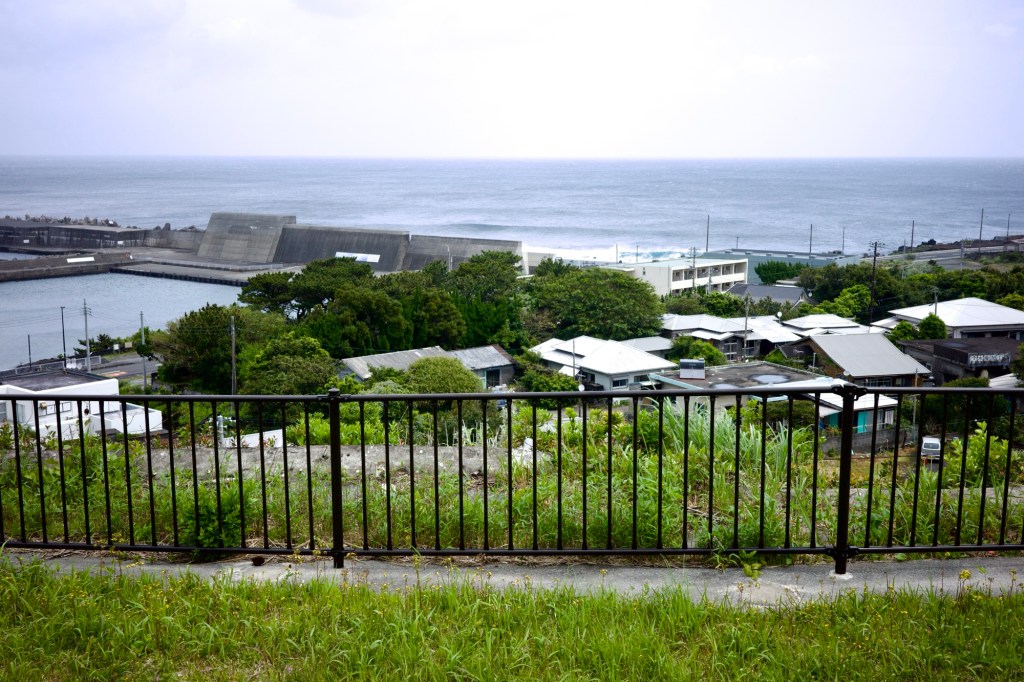
Michele and Ryoko had a taiko lesson scheduled for 2 pm at the lodge, so we all had the morning free. Yuko loaded us back into the van and we went down lonely streets and an unpaved lane to arrive unexpectedly at a lovely café with a great view. Hachijo seems to have its treasures tucked away.
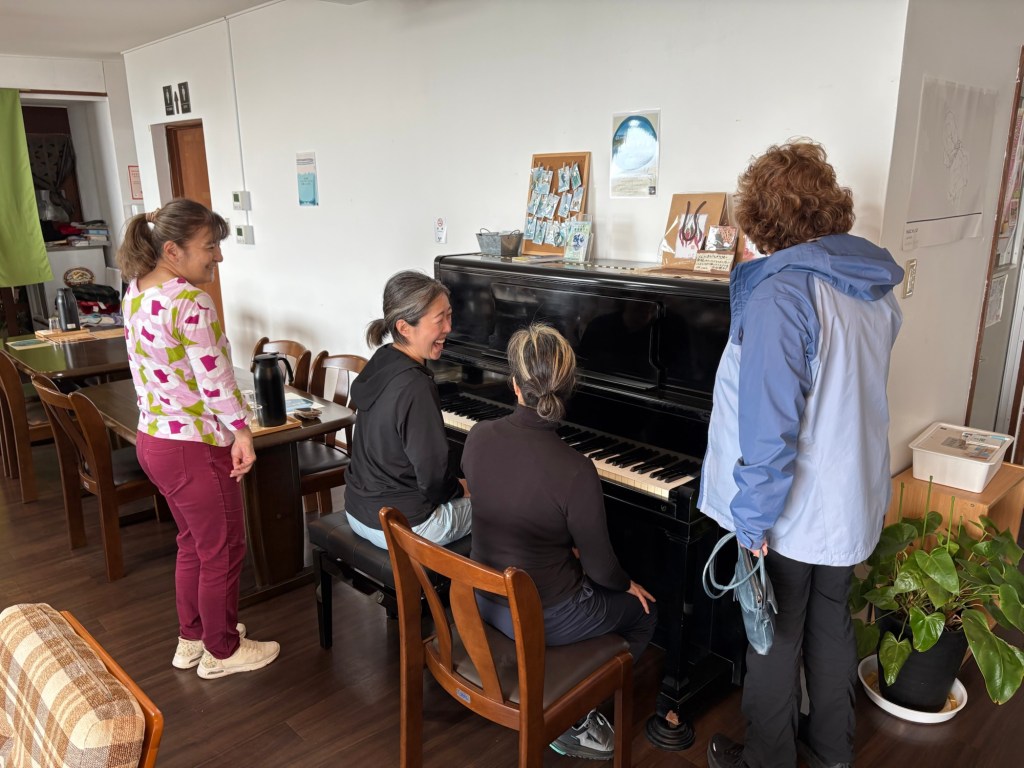
L.L. had Japanese breakfasts on offer and good coffee. They also had a piano. Michele showed Ryoko how to play chopsticks and Ryoko showed Michele the equivalent easy tune Japanese kids learn, along with some other tunes.
Back in the van, and Yuko drove some more narrow lonely roads, around the side of Hachijo Fuji, until we arrived at a meeting hall next to a hotel that was being renovated. The surrounding land was mostly lava rock.
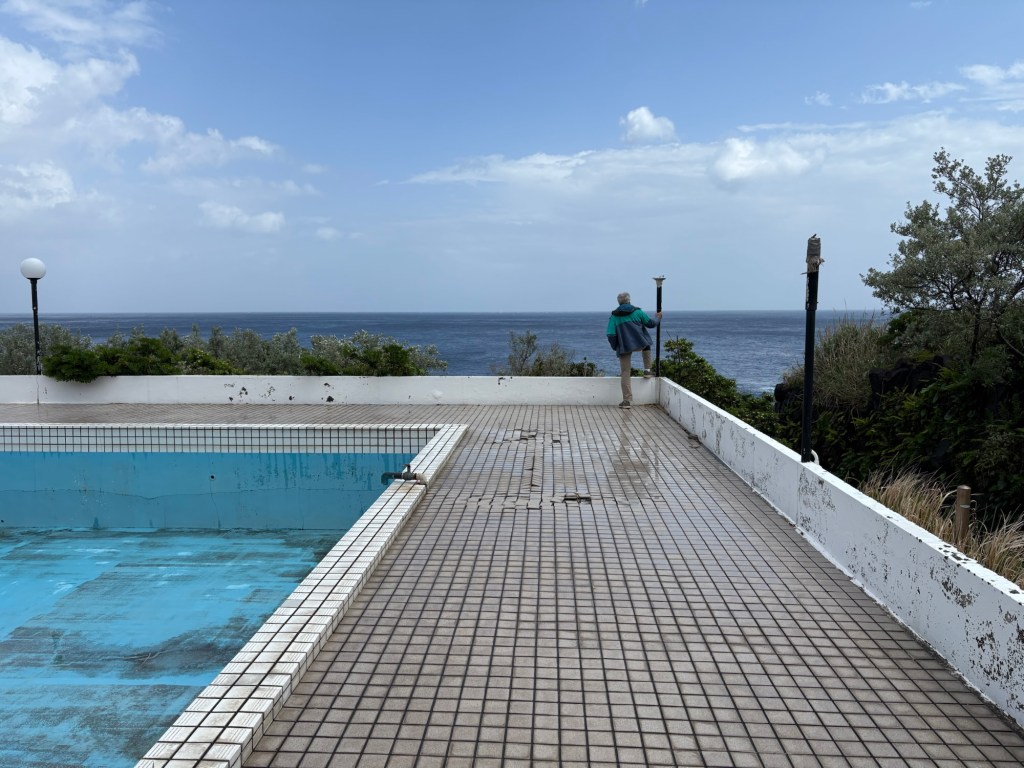
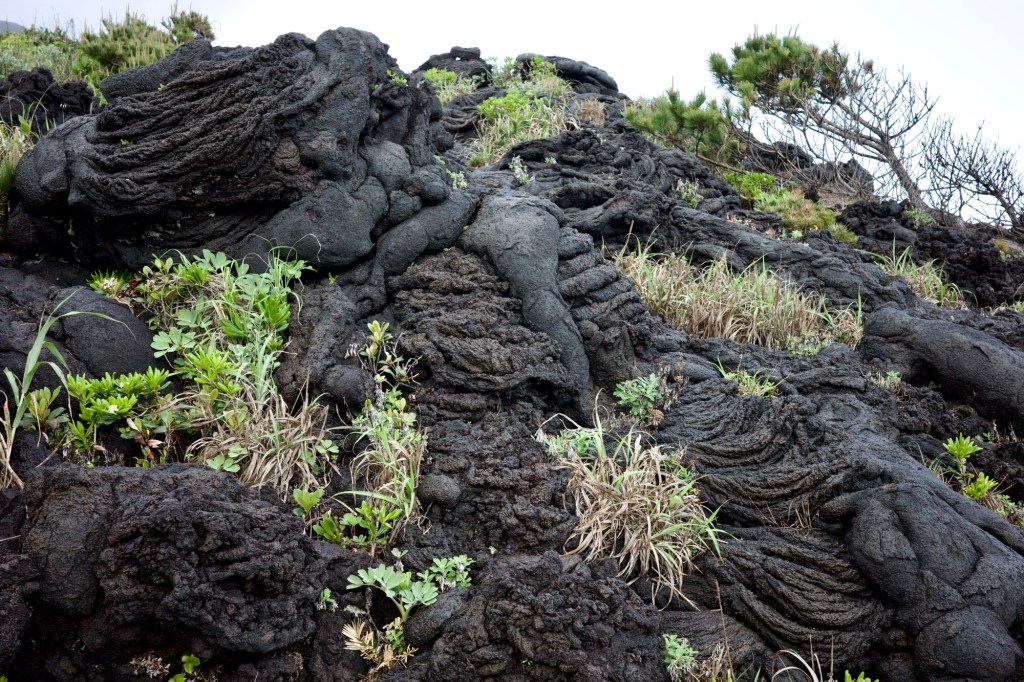
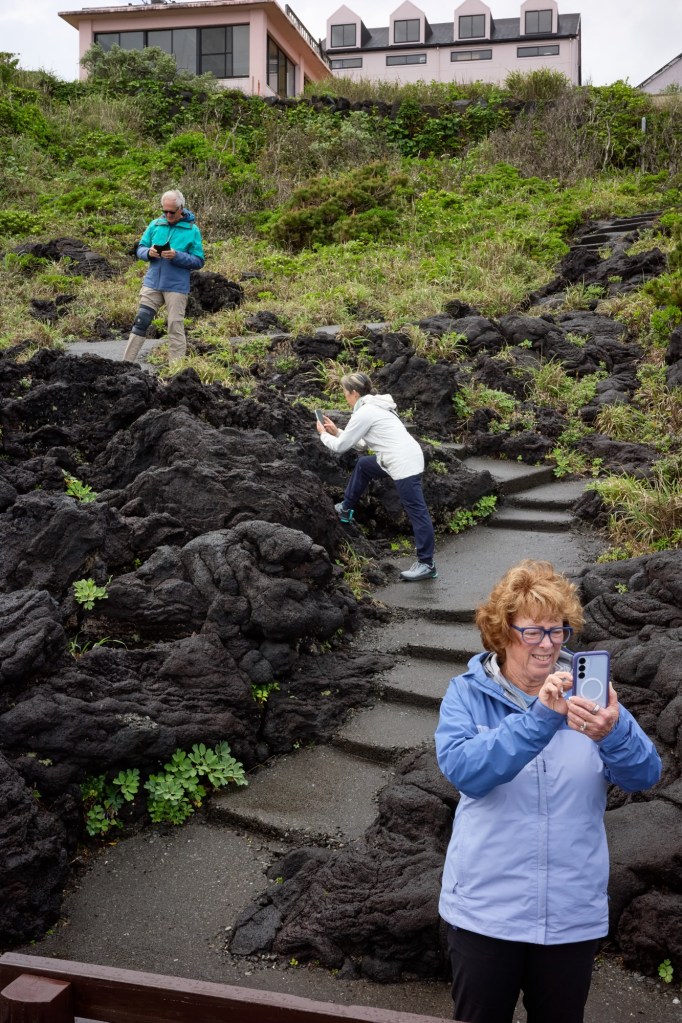
The meeting hall is where Yoshio and friends run the annual “24 Hour Challenge Hachijo Daiko”, where the Hachijo taiko beat is kept going for 24 hours. It takes at least 20-30 people to keep it going, and players have been coming from all over to help, including from the USA. This year will be the 16th challenge.
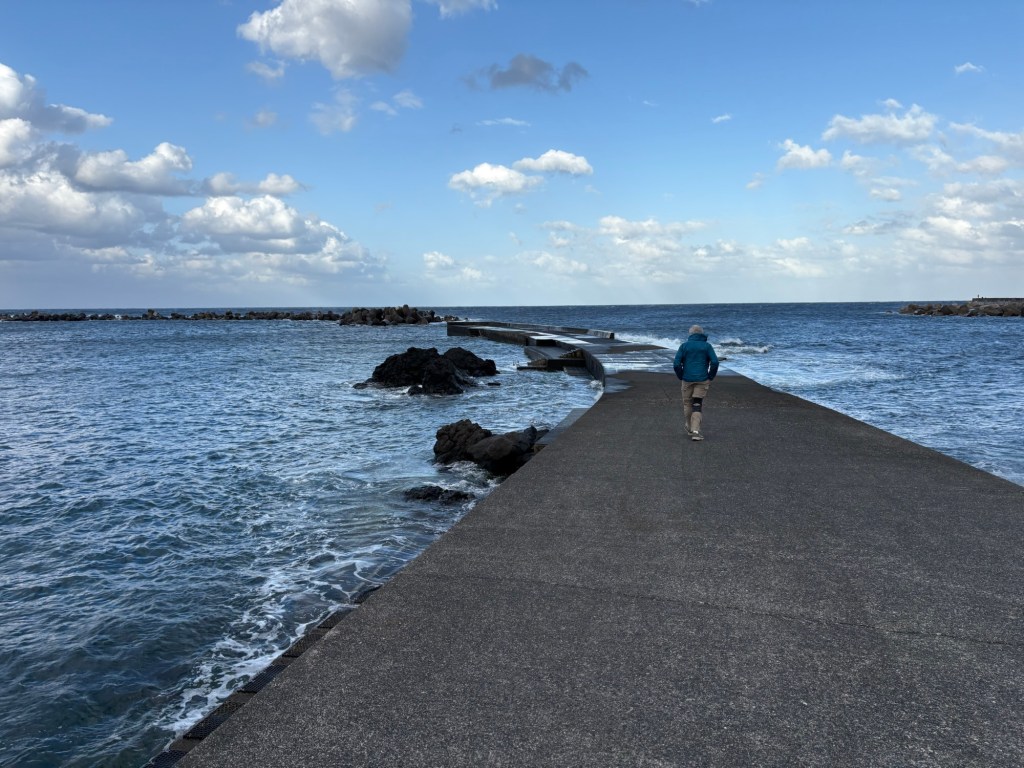
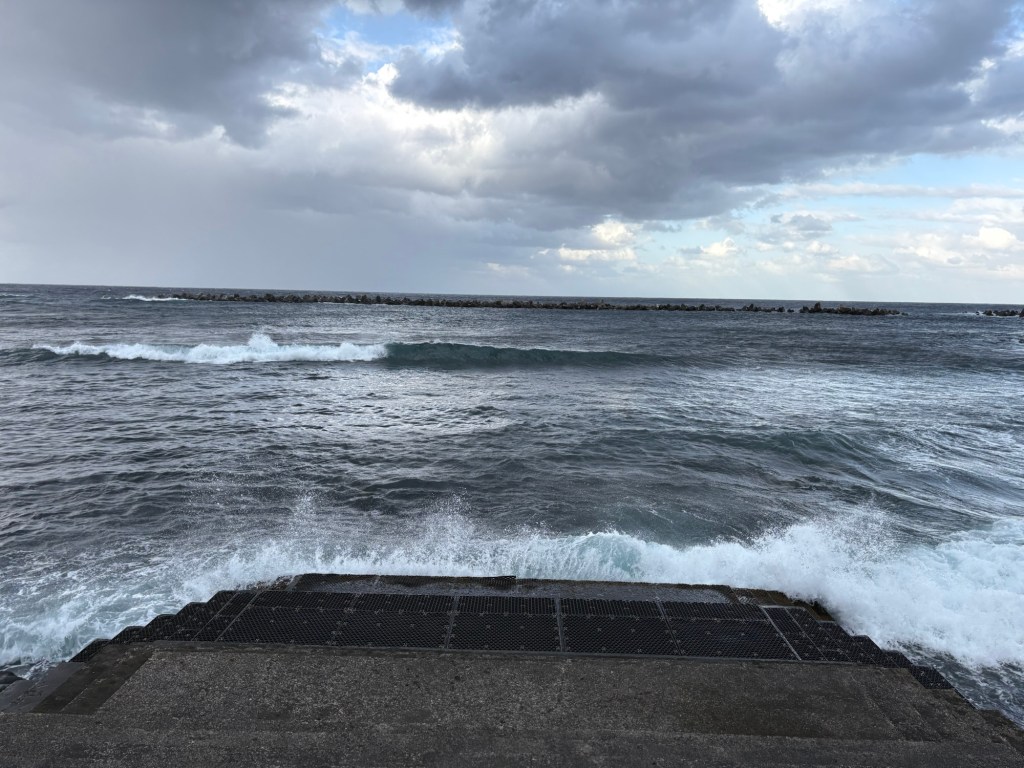
The attraction for us today was a very scenic spot to watch the ocean.
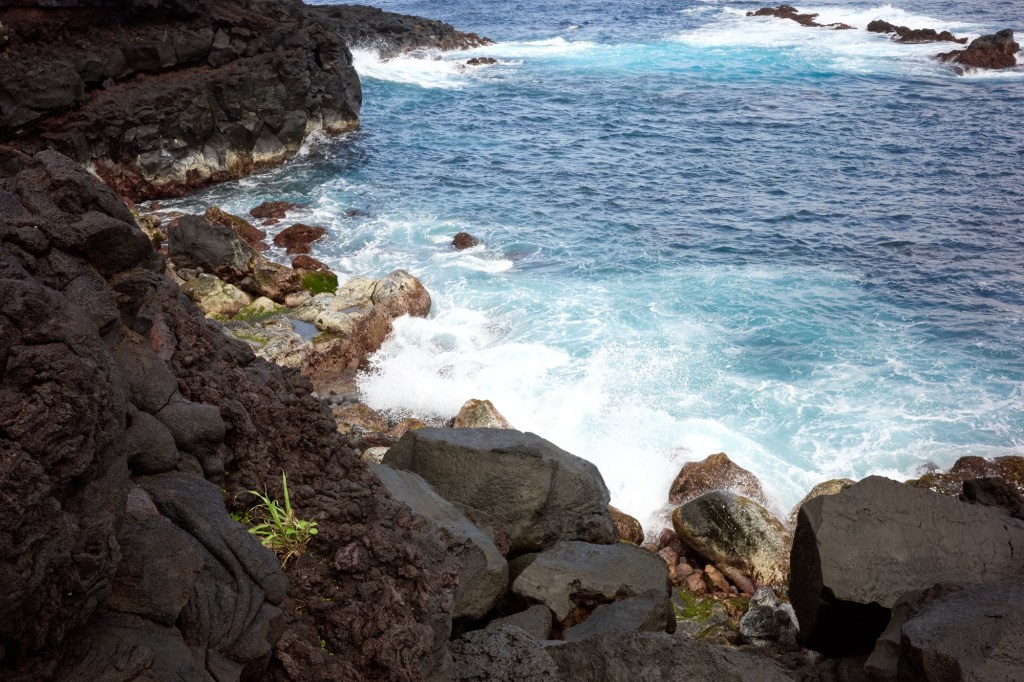
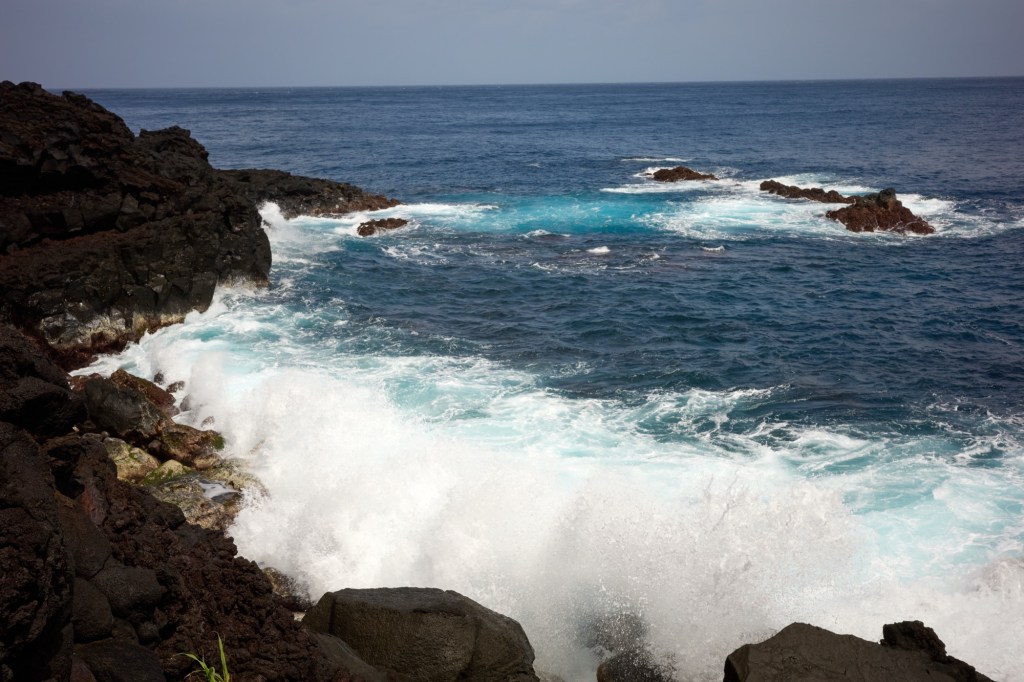
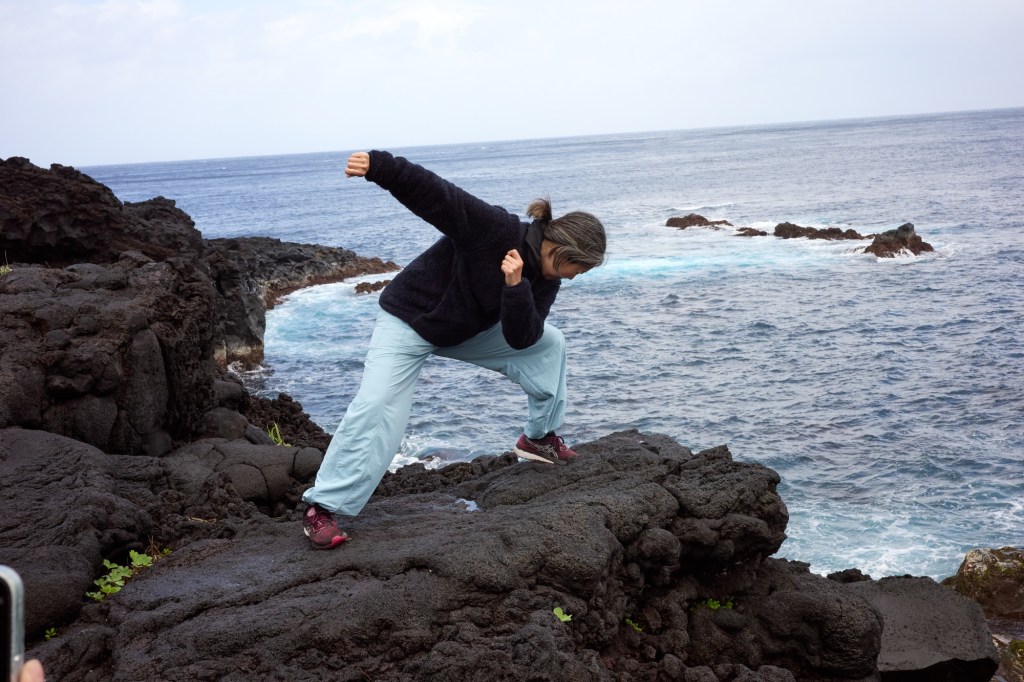
Some of us struck a pose.
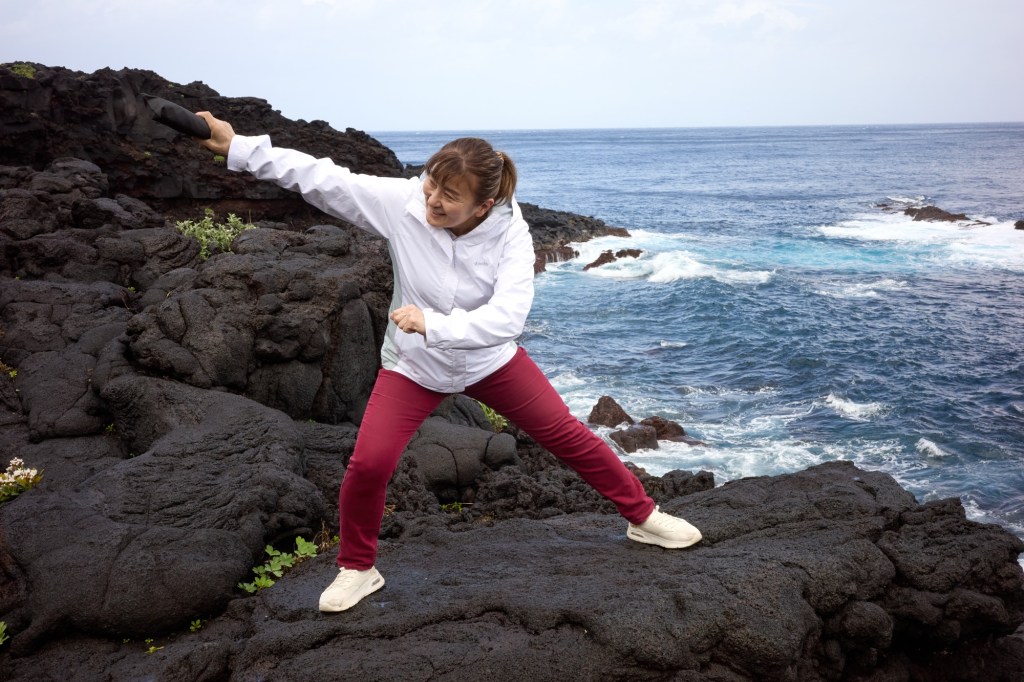
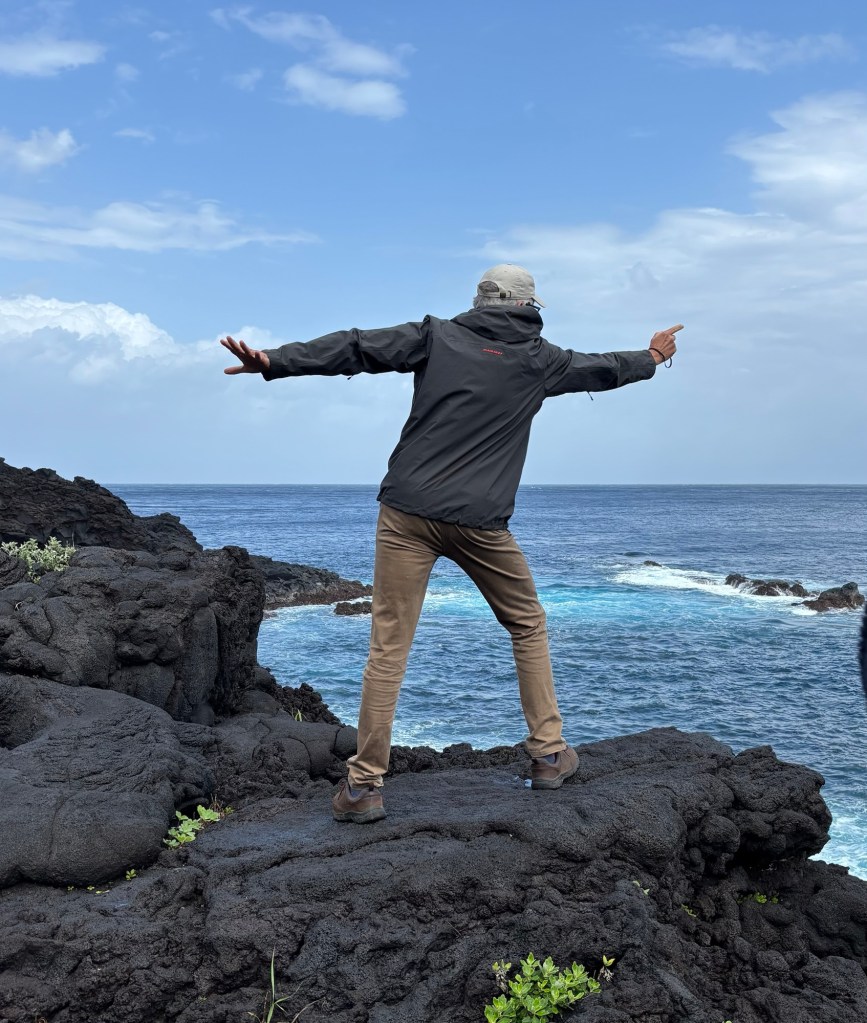
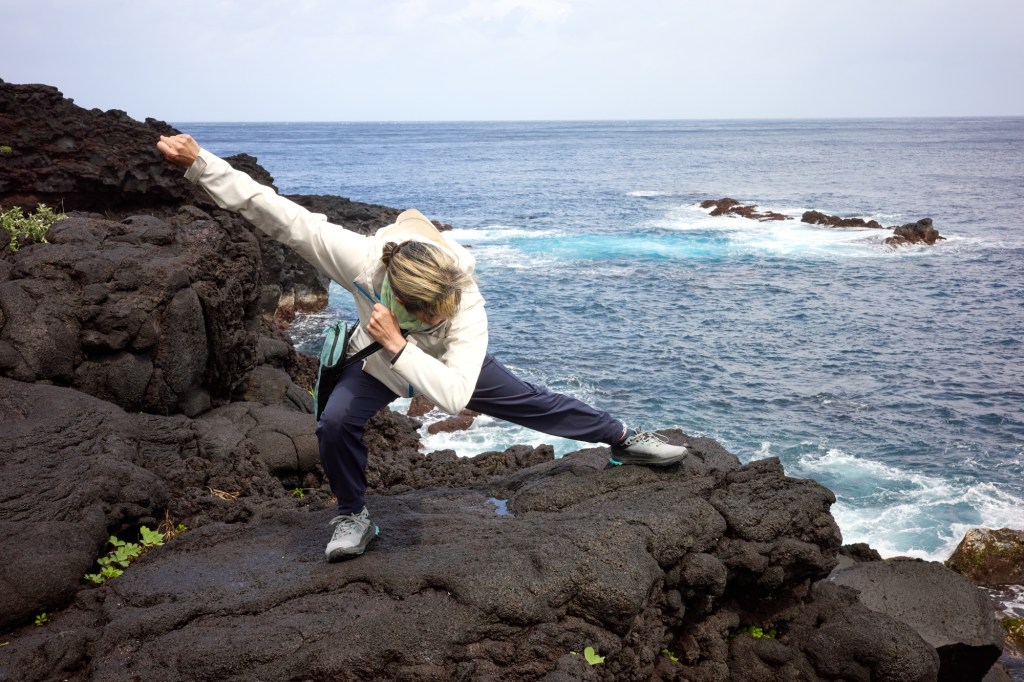
Back in the van! Off to the botanic garden! There was a pen of adorable small deer called kyon locally, otherwise known as Reeve’s muntjac. This was a highlight for Ryoko, who structures a good portion of her life around visiting cute animals.
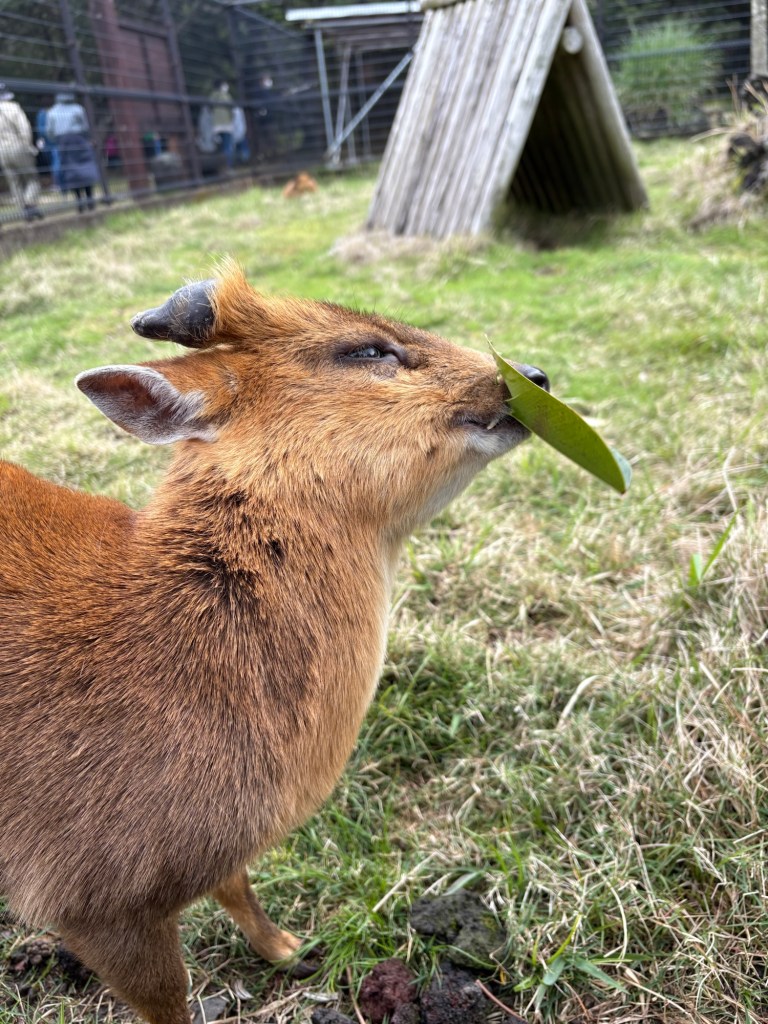
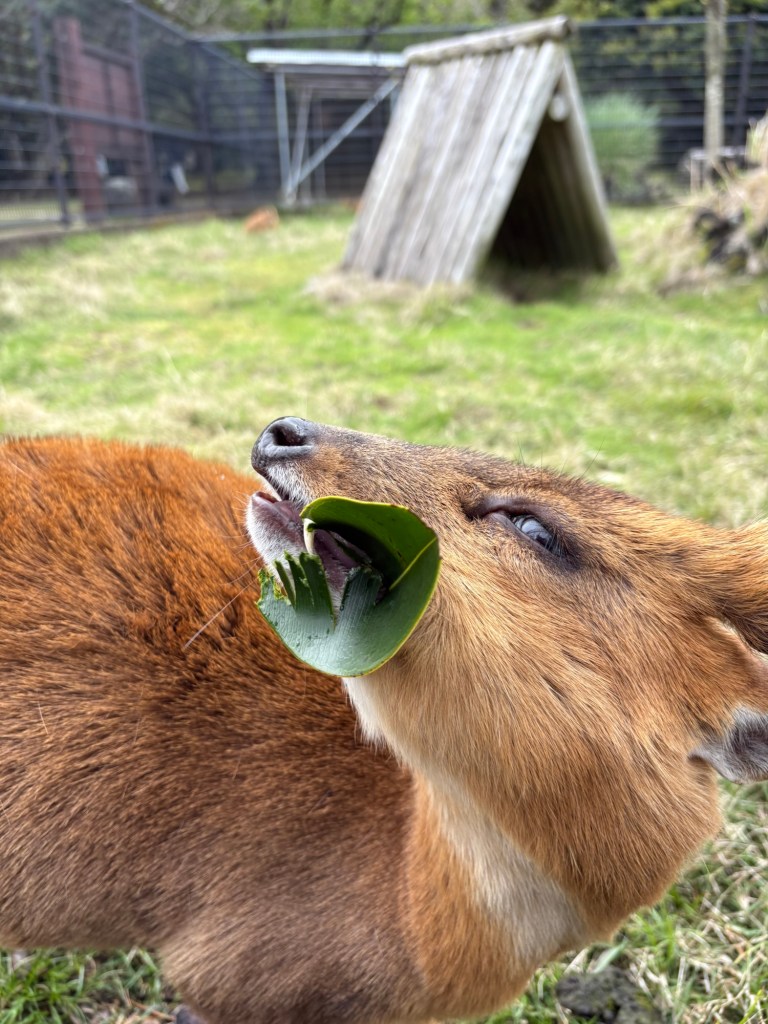
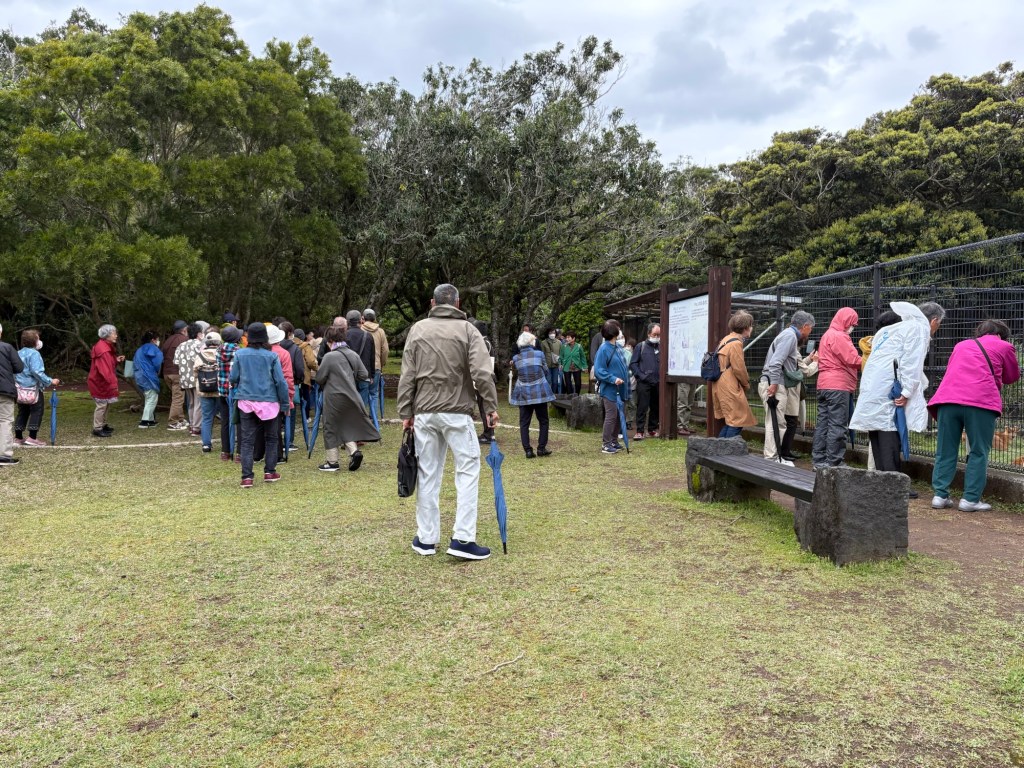
While we were watching the kyon, and trying various leaves out on them, a crowd walked out from the trees. They all crowded around the kyon enclosure for a few minutes and then they wandered off again. It was a little strange, most other venues we had to ourselves or a few others.
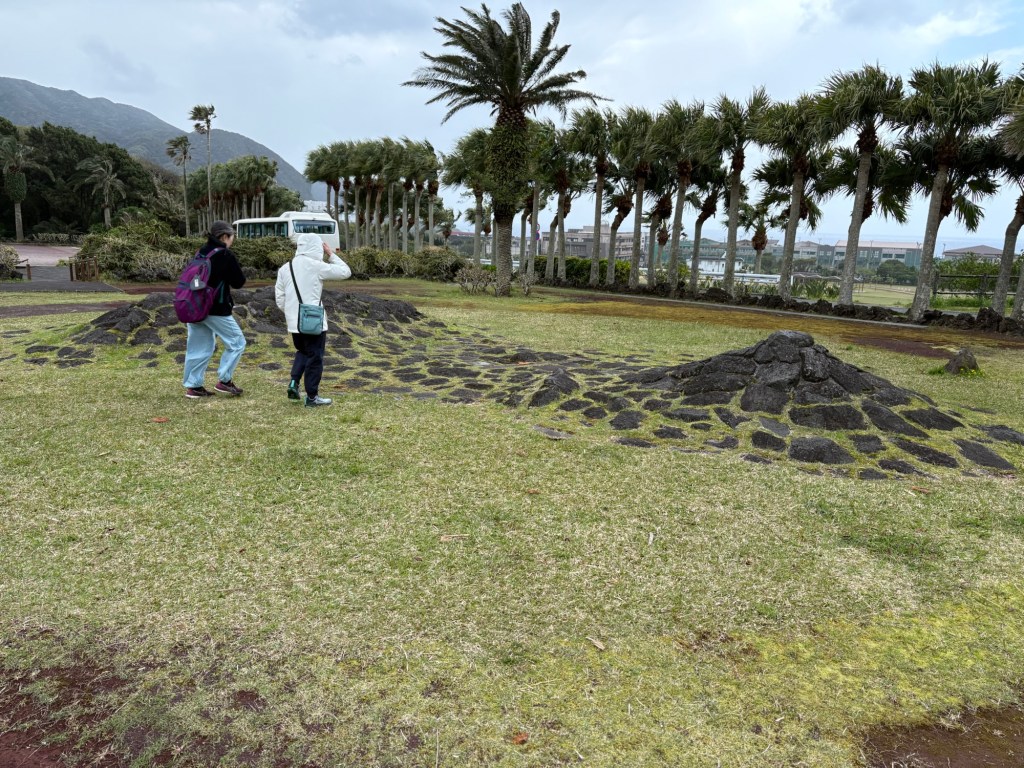
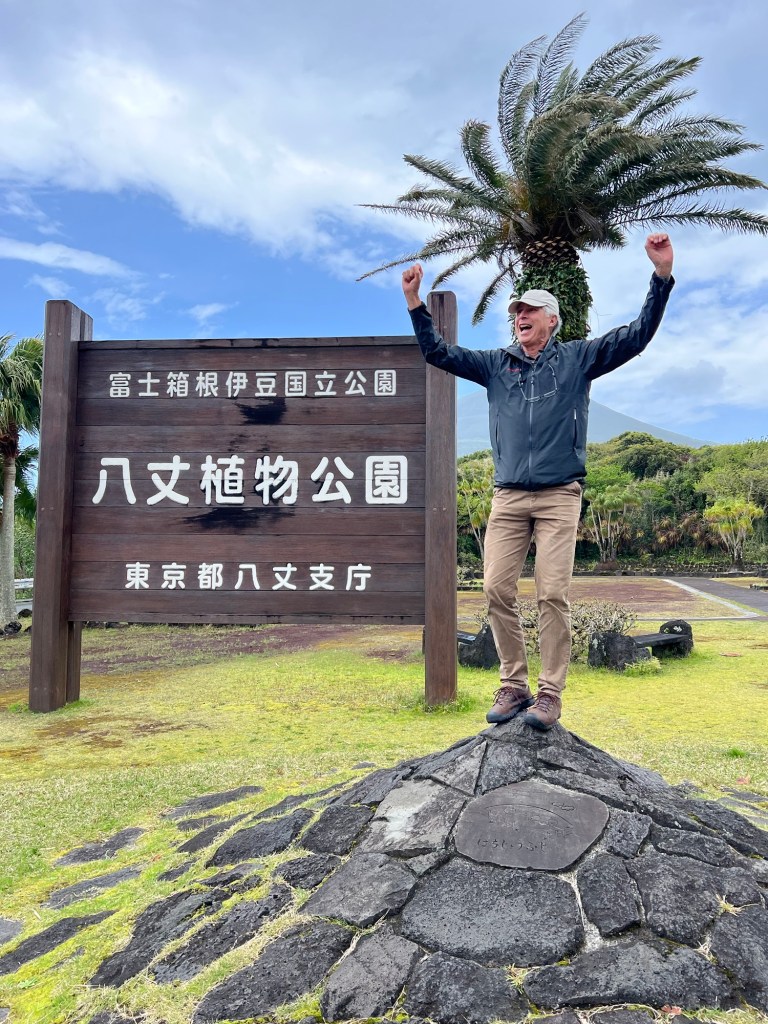
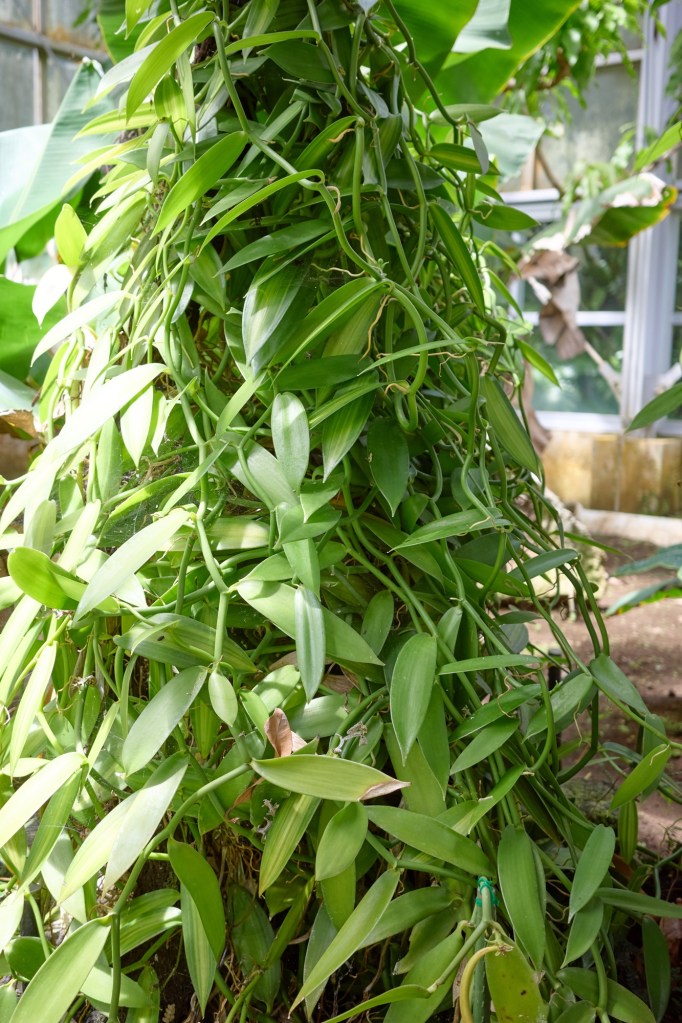
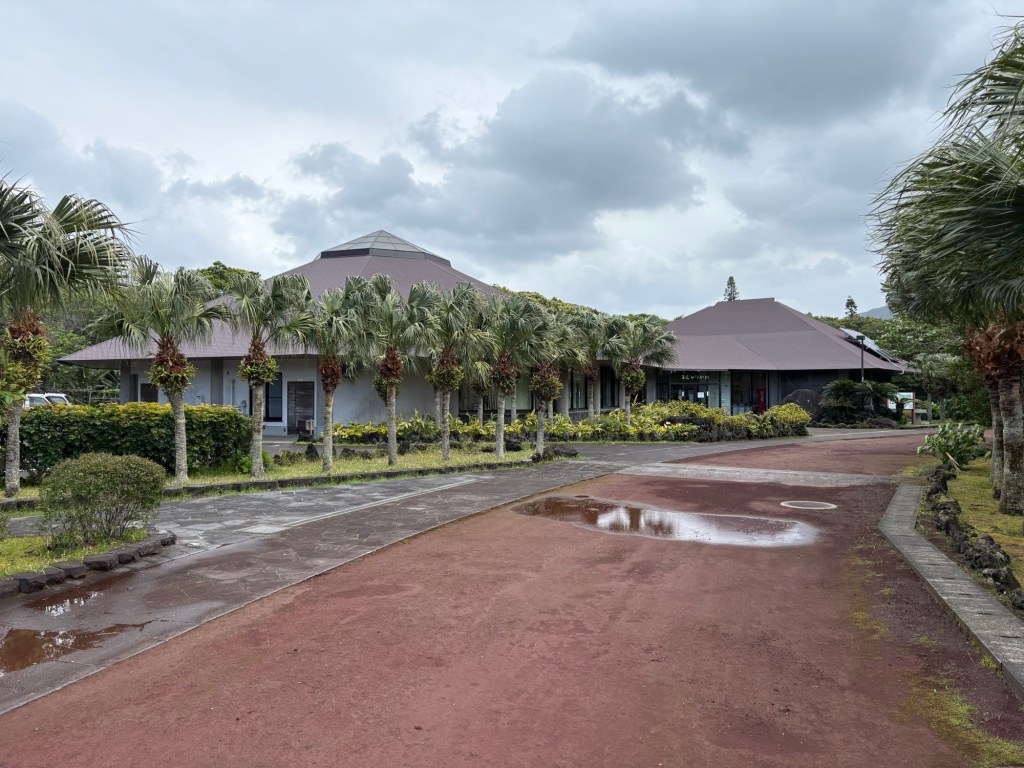
Near the kyon was an outdoor model of the island, a greenhouse with tropical fruits inside and a small but high quality museum.
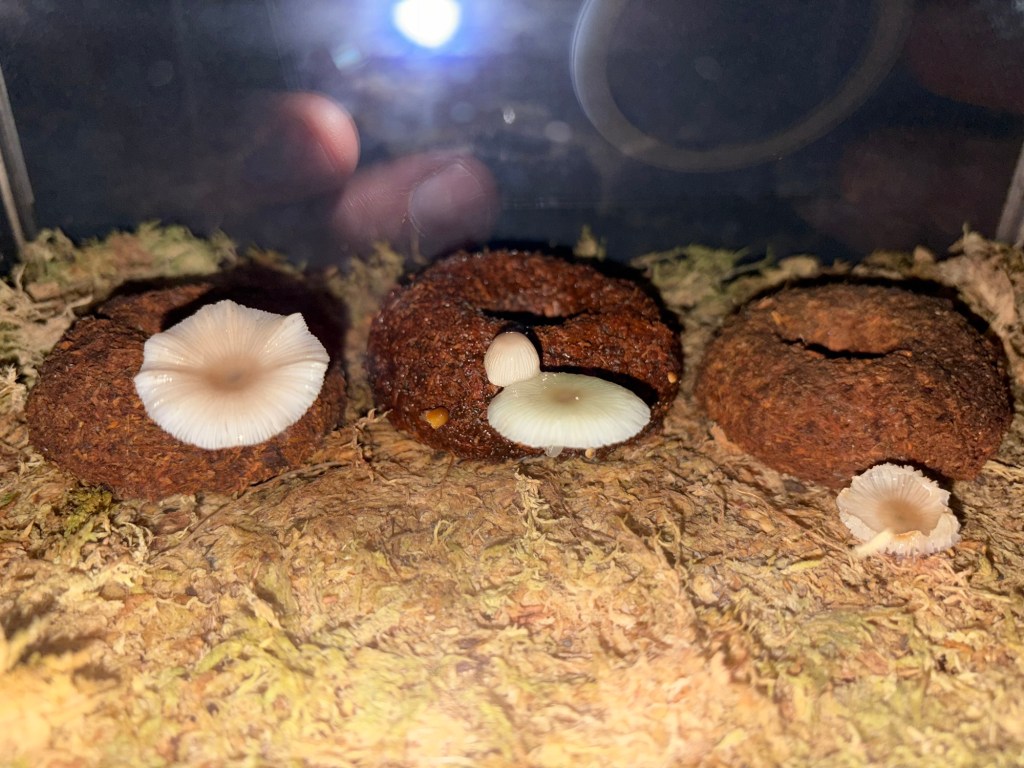
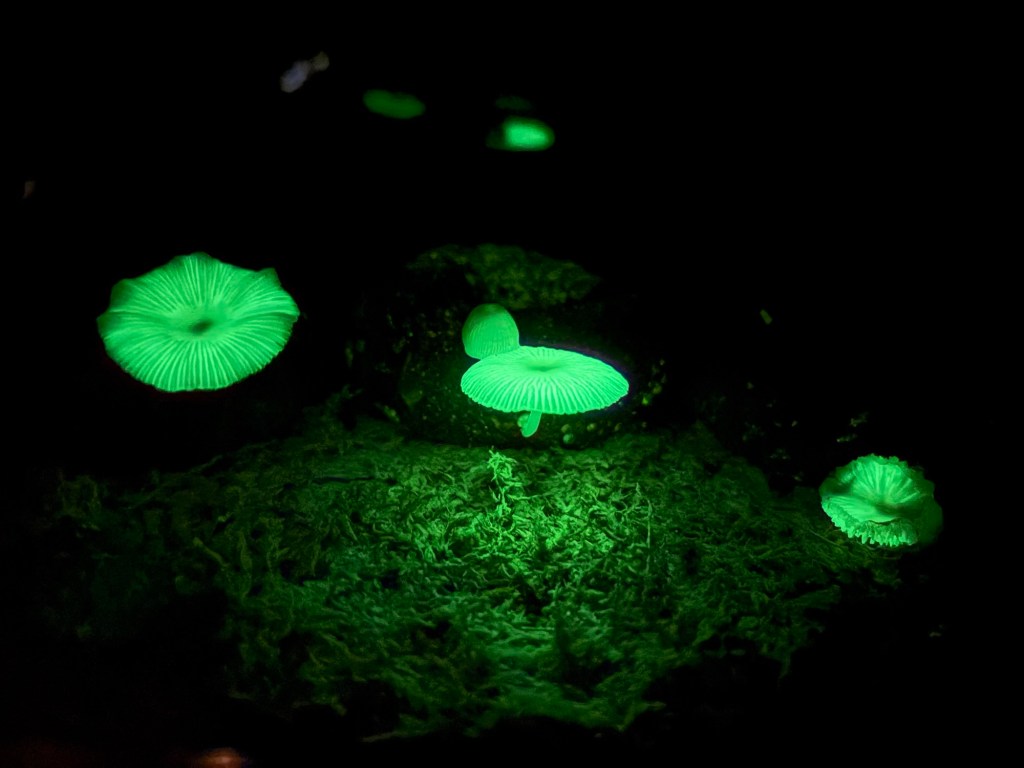
The museum had an excellent fish tank with local fishes. Best of all, they had some of the famed Hachijo glowing mushrooms growing in a dark curtained booth.
Yuko drove us down another lonely road next to the ocean on the windward side, where the waves were really pounding and throwing up spray onto the road. There was a café there run by a couple, she was Japanese and he was a tall Italian. He was the cook and the pasta was great. I got the shiitake carbonara.
We dropped off Michele, Ryoko and Yuko with Yoshio for the taiko lesson. Yoshio’s main message was that Hachijo style is not a specific song. You play as a duo, with one person playing the bass beat, the Ji, and the other playing their own personal rhythm. You should the “70% listening to your partner”. After playing set pieces with San Diego Taiko and Kotobuki Jishi this was a slight challenge for Michele and Ryoko.
Meanwhile Bill, Pam and I drove down to the leeward harbor, which was still pretty churned up. The water was very clear, it must be great snorkeling and diving when the weather is calmer. Today though the wind was still howling and rain squalls came and went.
We met Michele and Ryoko back at Y-Lulu lodge after their lesson with Yoshio, at around 4 pm. Yoshio, Kaori and their daughter were going to return at around 6:30 for dinner, which I figured out I was going to cook. Ten people. Oh boy. We went to the local market where Ryoko swung into action, planning an (ahem) abundance of food. Local sushi (ordered the day before), Gyoza, chicken and cabbage stir fry, mushrooms, yakisoba, snacks, drinks. Some items were actually running low at the market, because the supply ship hadn’t been able to dock for the past several days due to the weather.
We hauled the groceries and goodies back to the camp kitchen and I got to work. Strange kitchen, new ingredients, stove and oven labels in Japanese: I was maximally winging it.
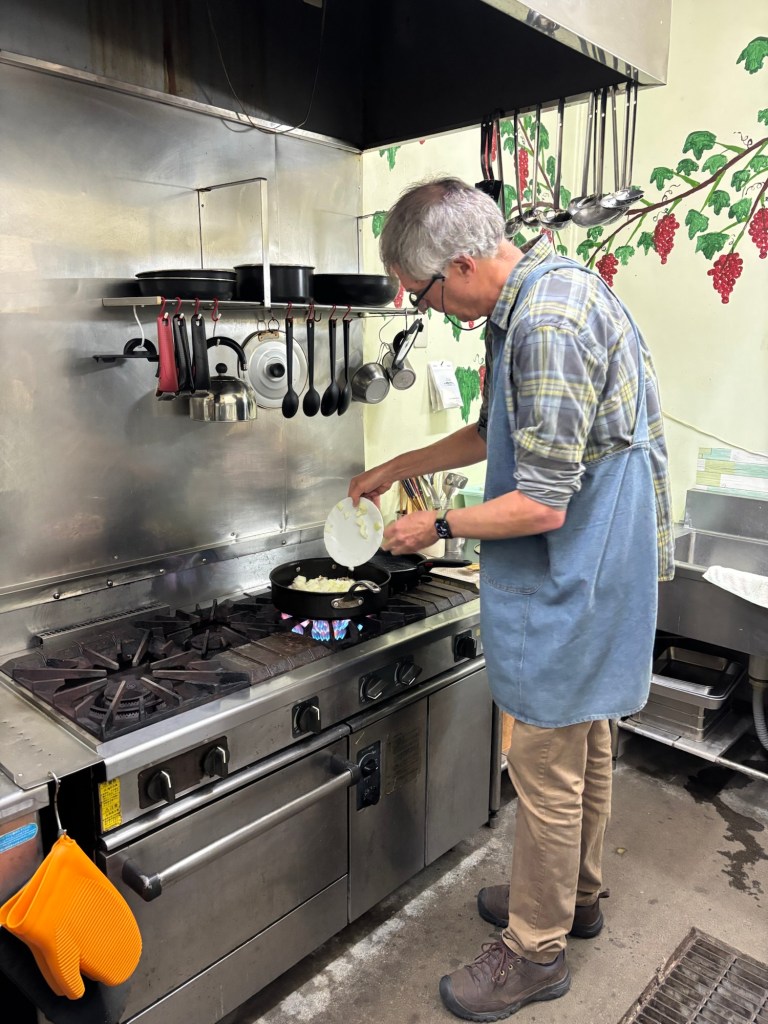
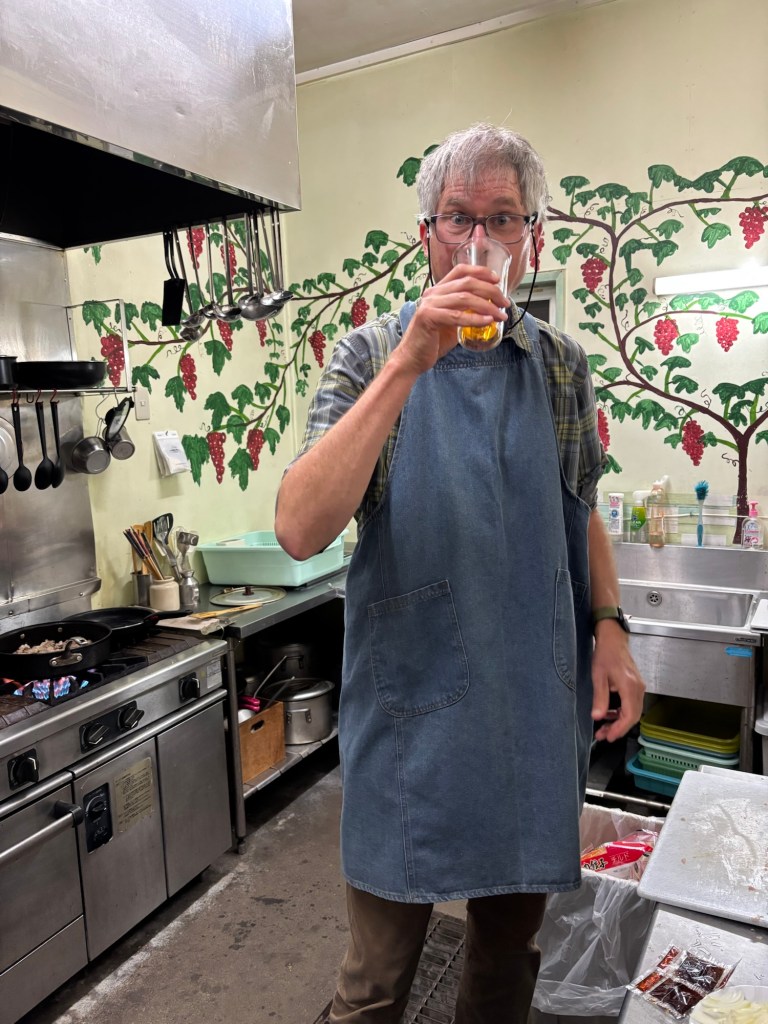
They ate it! Yoshio even had seconds! Phew.
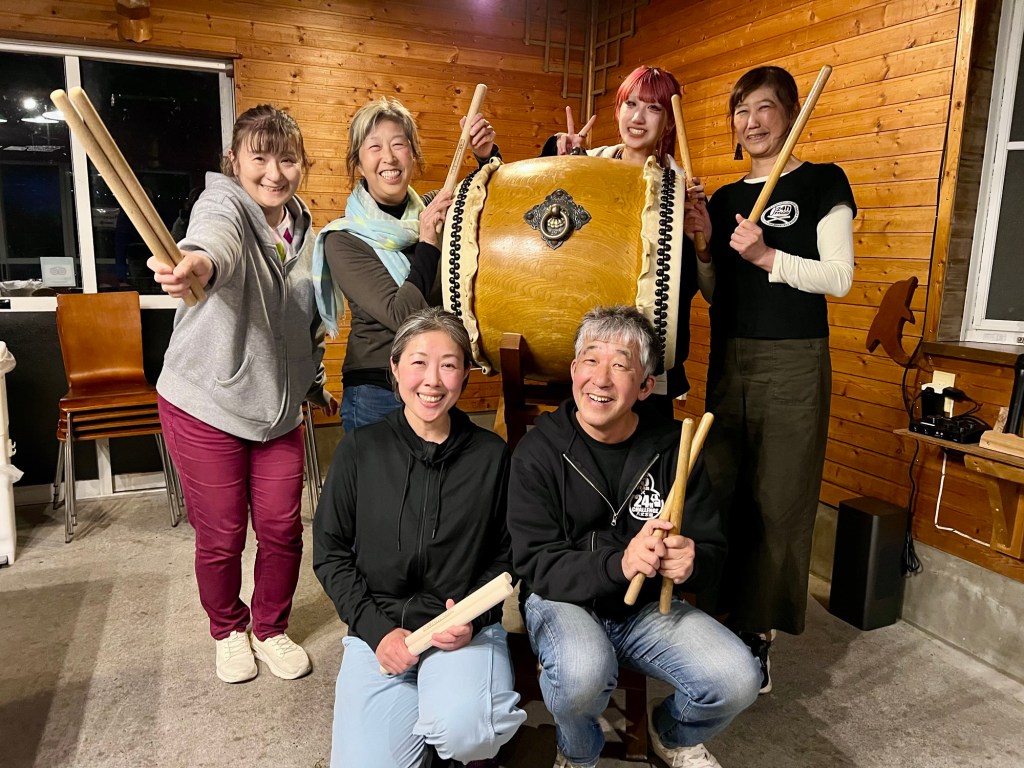
After dinner Yoshio, Kaori and daughter played for us on the lodge taiko drum.
They finished with a lovely duet about a Hachijo woman who misses her lover. Hachijo used to be a prison island, and the local woman fell in love with a prisoner. When he finished his time he went back to Honshu and she was left looking at the ocean.
This kind of taiko playing appeals to me more than the typical kumidaiko I’ve seen in the US. Most US kumidaiko, in my humble (?) opinion, is about empowerment, players beating a drum loudly to project power. Empowerment as an art motif definitely has its place in the world, but after a few years it got to be a kind of one note performance for me. This Hachijo style has a wider emotional range, and I love the duet musical interplay. If I lived on Hachijo I would pick up some bachi and learn.
It was a fun and special evening.
 Ken Chin-Purcell