In the late 1500’s Japan was rampaging over Korea and noticed that the dishes were much nicer than the stuff they were using back home. So they brought back a herd of talented Korean potters, who wound up in Imari under the rule of the Nabeshima clan. This was the origin of Nabeshima-yaki, (Nabeshima ware), and it was really special. So special in fact that it wasn’t even for sale, only the Shogun and his daimyō pals got to use it. The Nabeshima daimyō was very motivated to keep the production methods secret and make sure no Nabeshimayaki went astray.
So I imagine one day about four hundred years ago the then current Nabeshima daimyō looked up at the mountains from Imari, probably much like our view of the mountains from the hotel. And he thought “That would be a great place to hide my potters.”
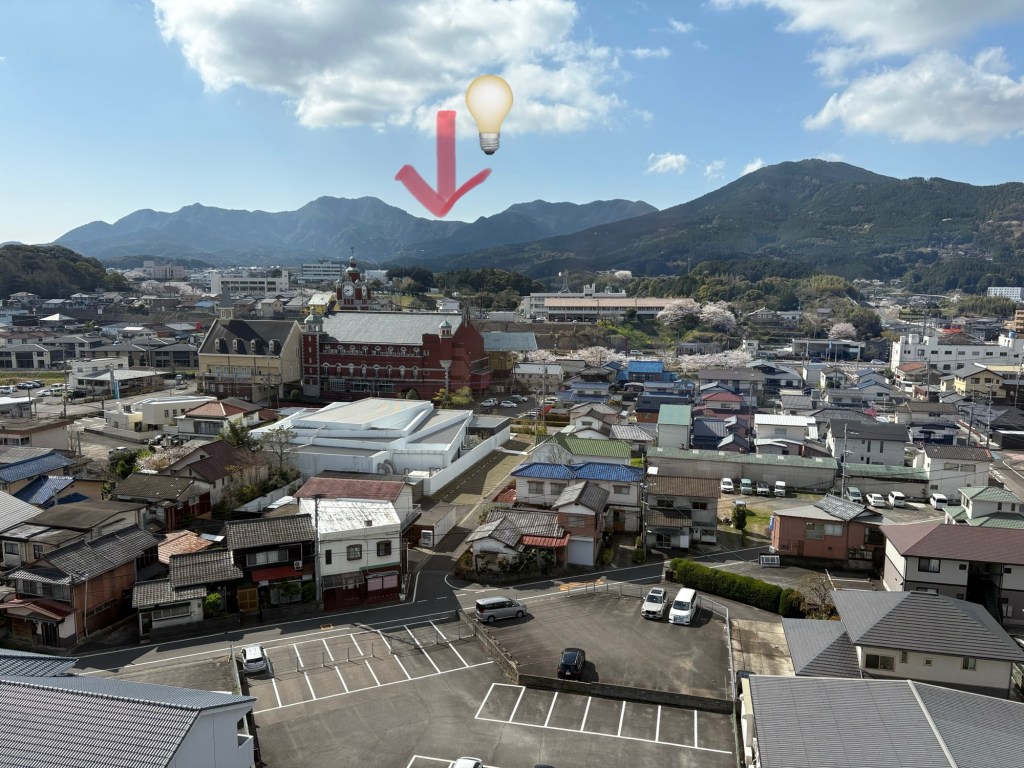
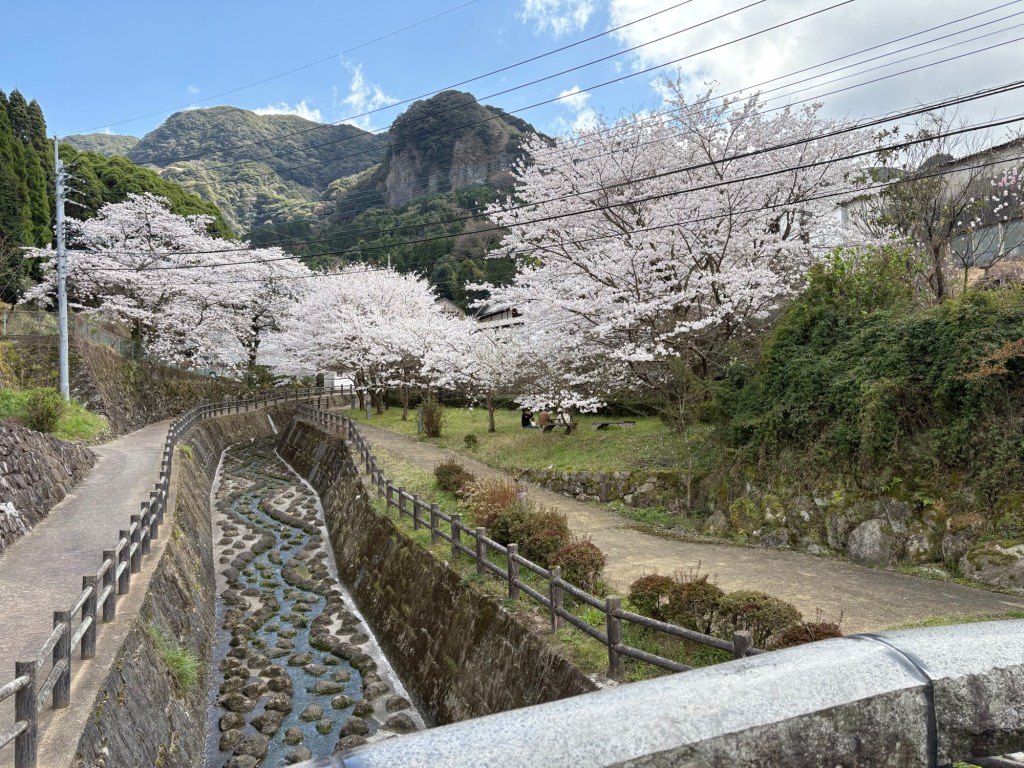
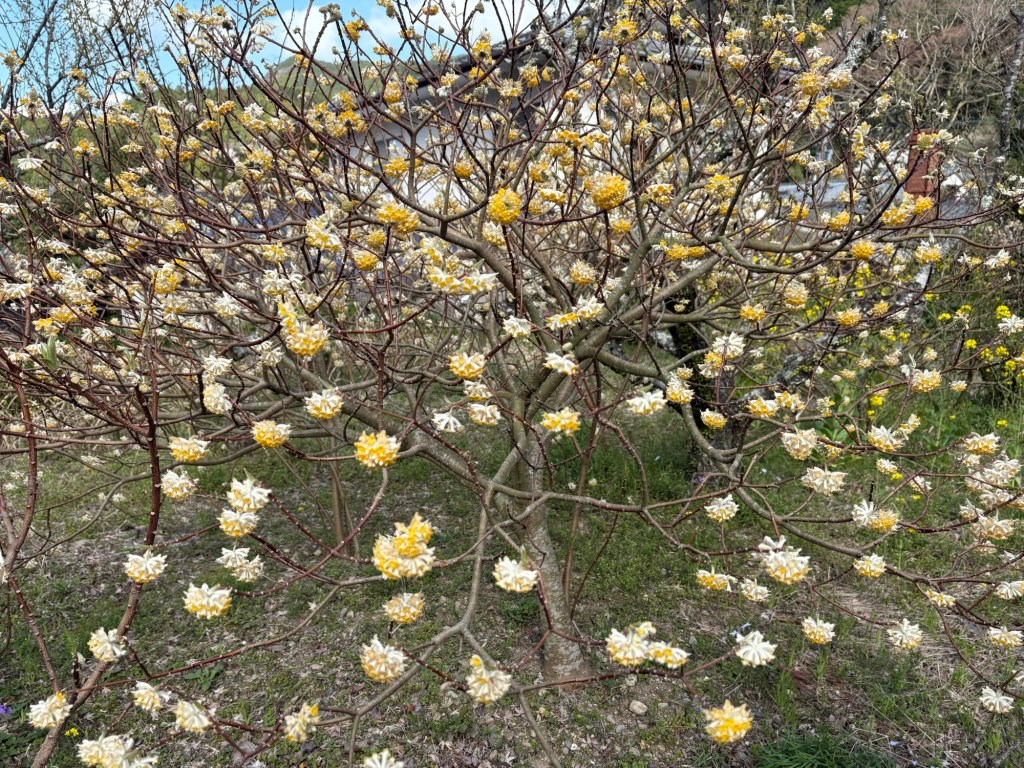
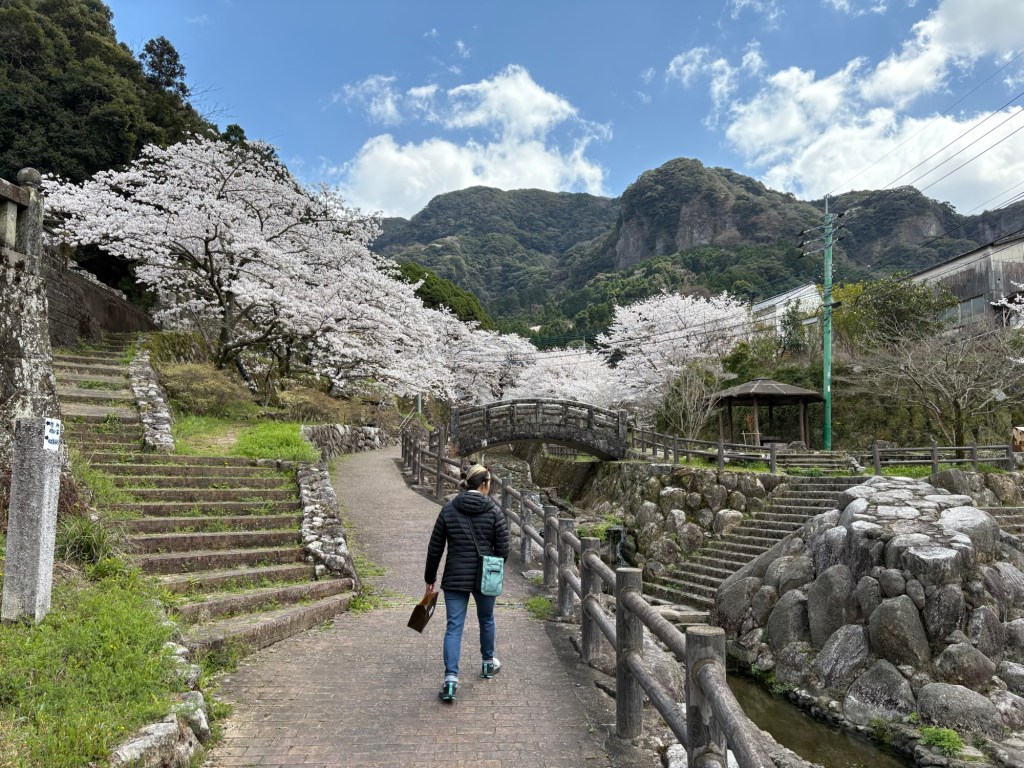
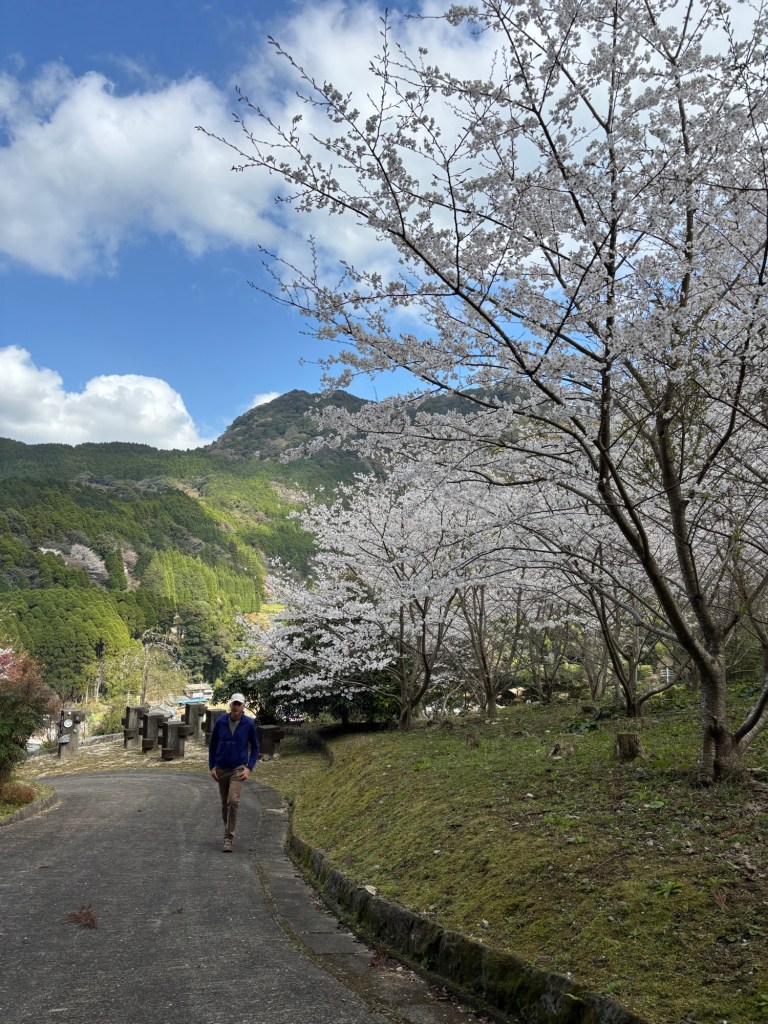
Ōkawachiyama has been a pottery town ever since. Still no individual craft potters, as far as I could tell, but dozens of small potteries turning out high quality porcelain. The potteries are often led by a potter who sets the design. The setting in a narrow mountain valley was spectacular and the tree blossoms were at their peak.
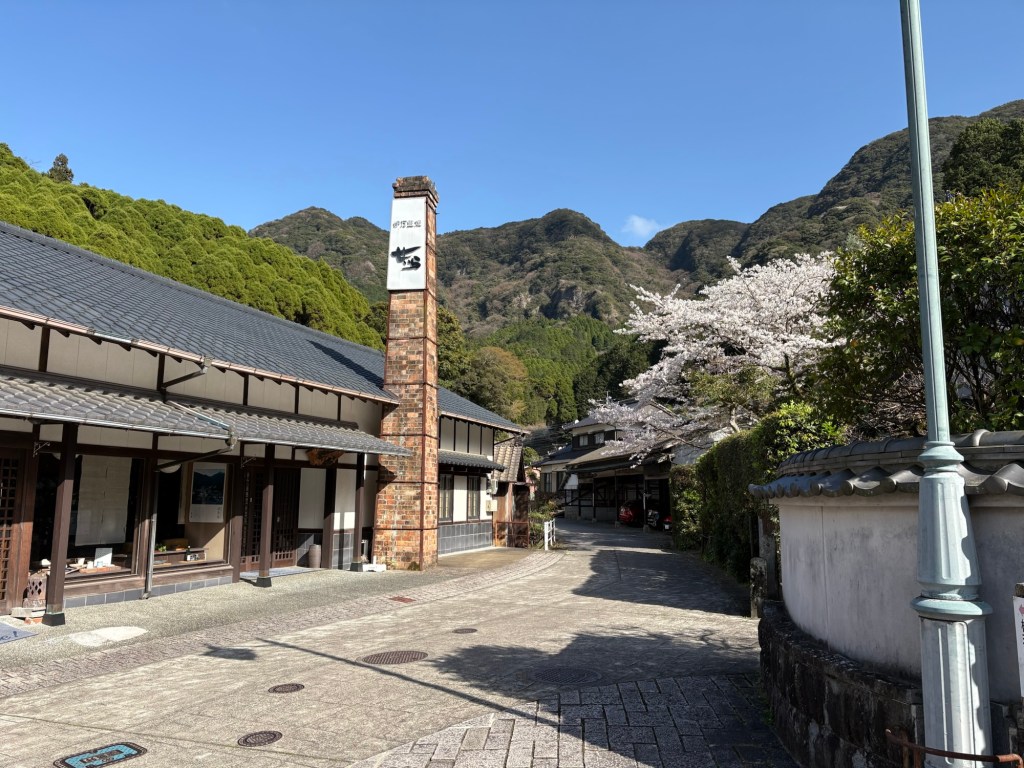
Back in the Edo period the mouth of the valley was guarded. Those Korean potters never got to go back home. There is a large cairn of around 880 head stones marking their grave. Employment seems to be on an at will basis now.
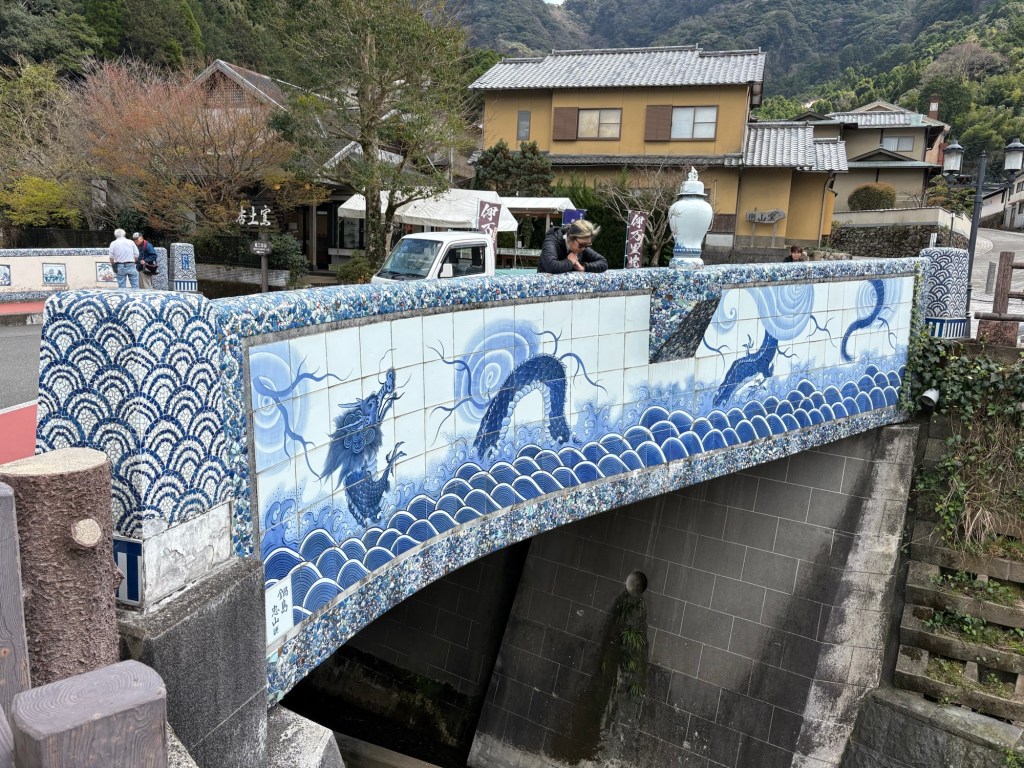
Many things are clad in porcelain in the village.
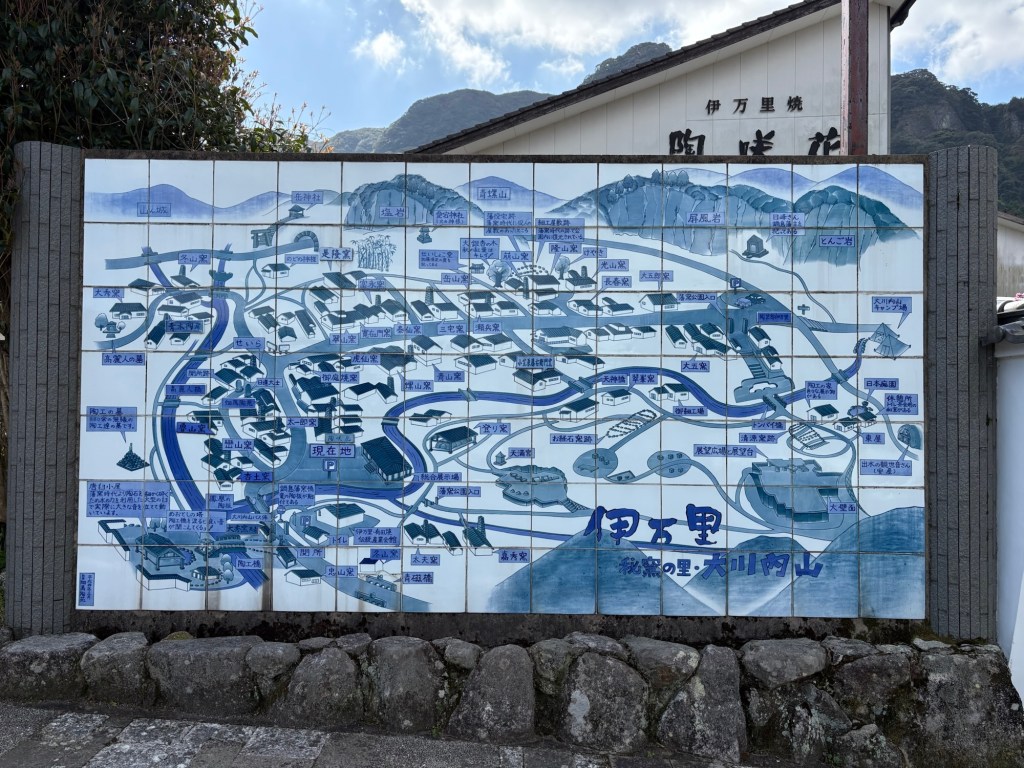
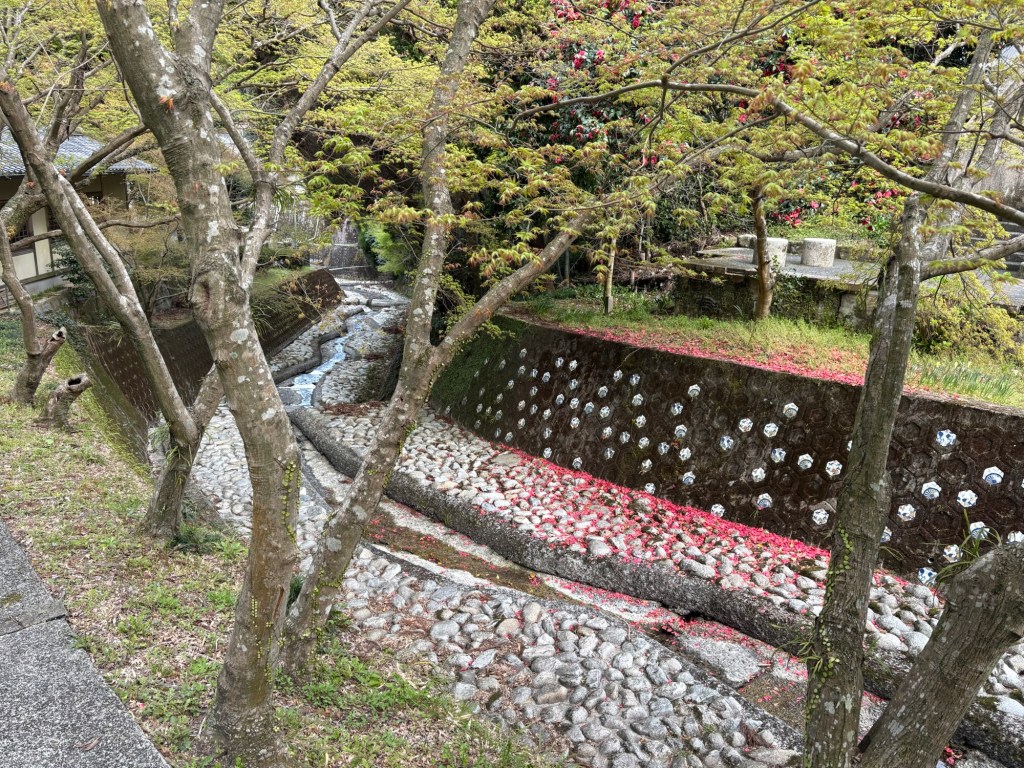
Most of the buildings are traditional wooden post and beam construction, with sliding entrance doors. The pots were great. We bought several things but I forgot to take a picture before they wrapped them up. Sorry! One of the dishes came with its own wood box, a first for me. Another dish was from the Ichikawa Kazan kiln, and a daughter or daughter-in-law appeared to thank me. She had painted the pot. Her father (in law?) is the 19th generation Ichikawa to make Imari yaki at that kiln in the village..
At the top of the town we climbed 400 steps to a shrine to the “throat god”, which was a scenic natural arch in the cliffside.
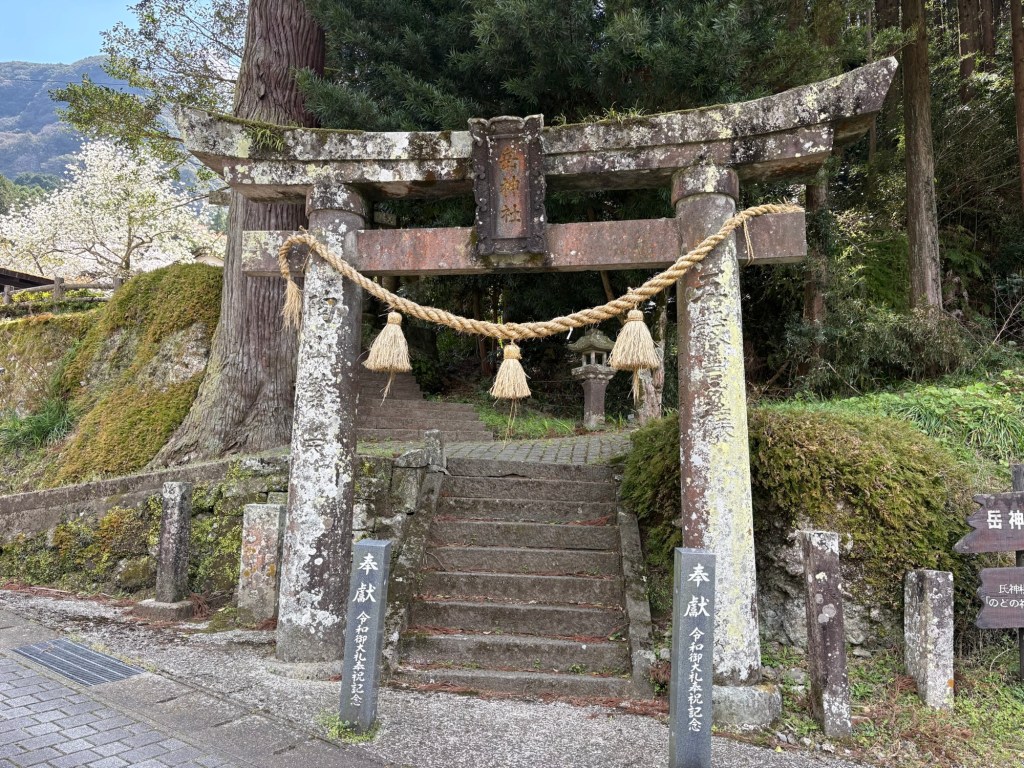
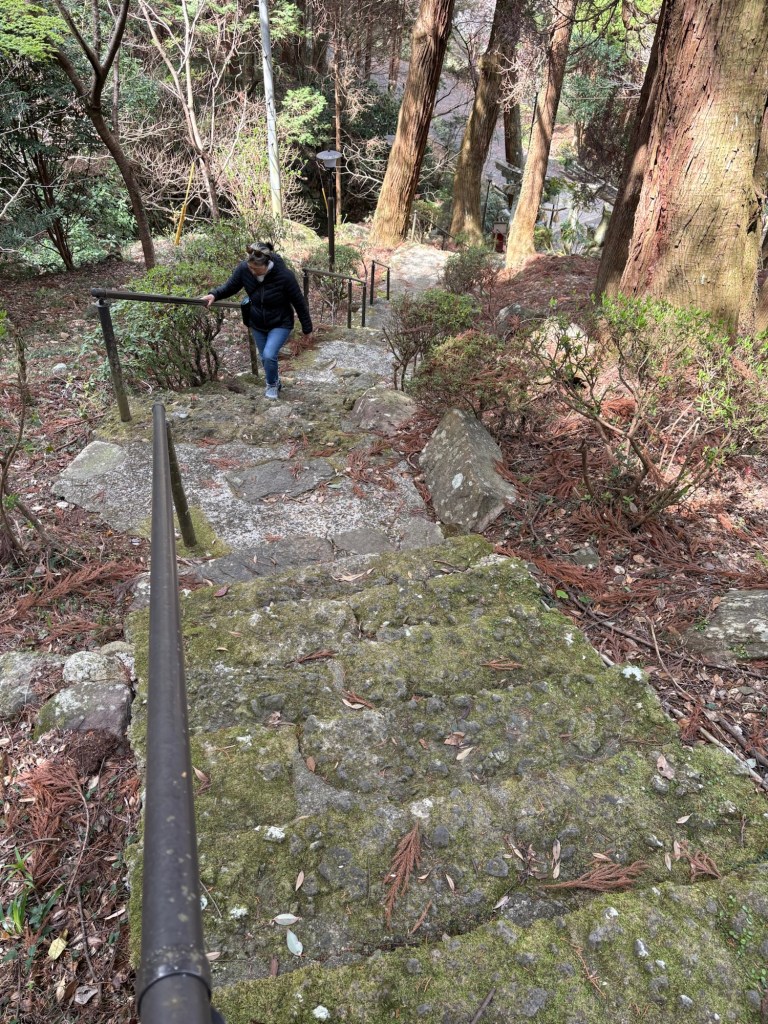
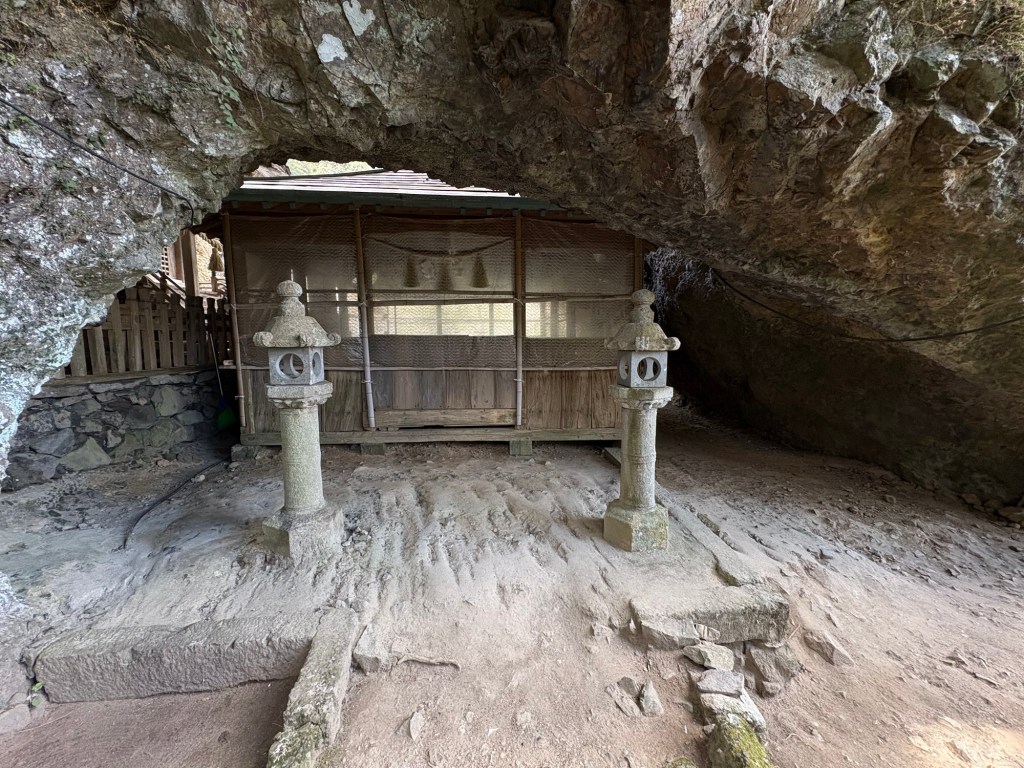
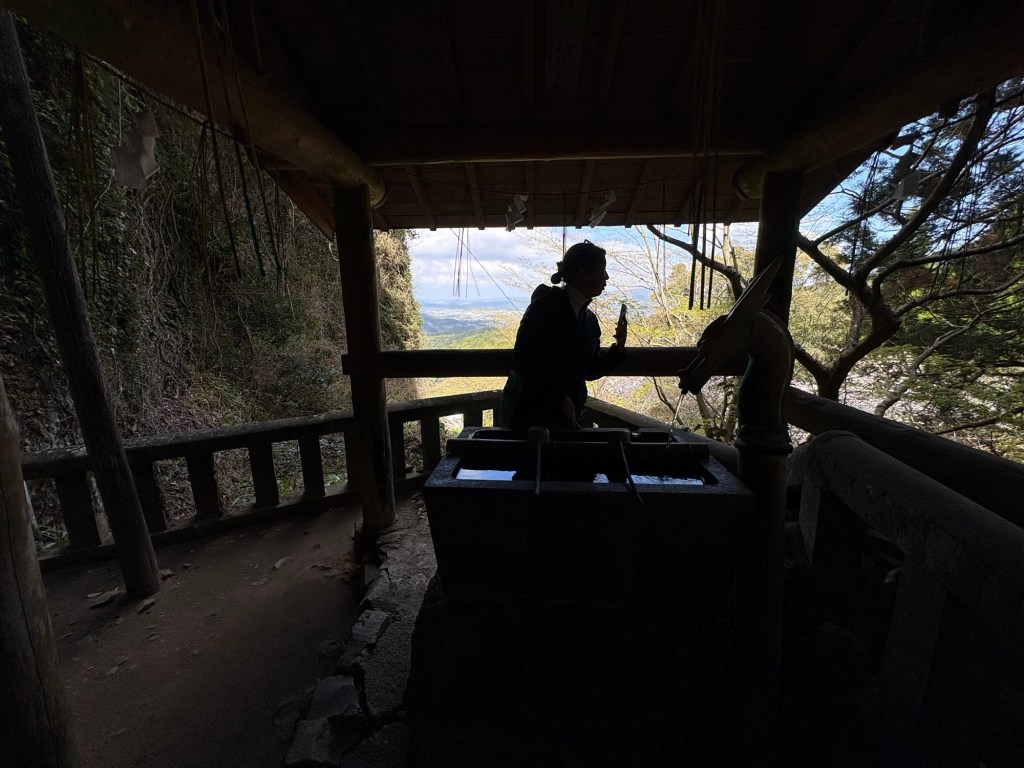
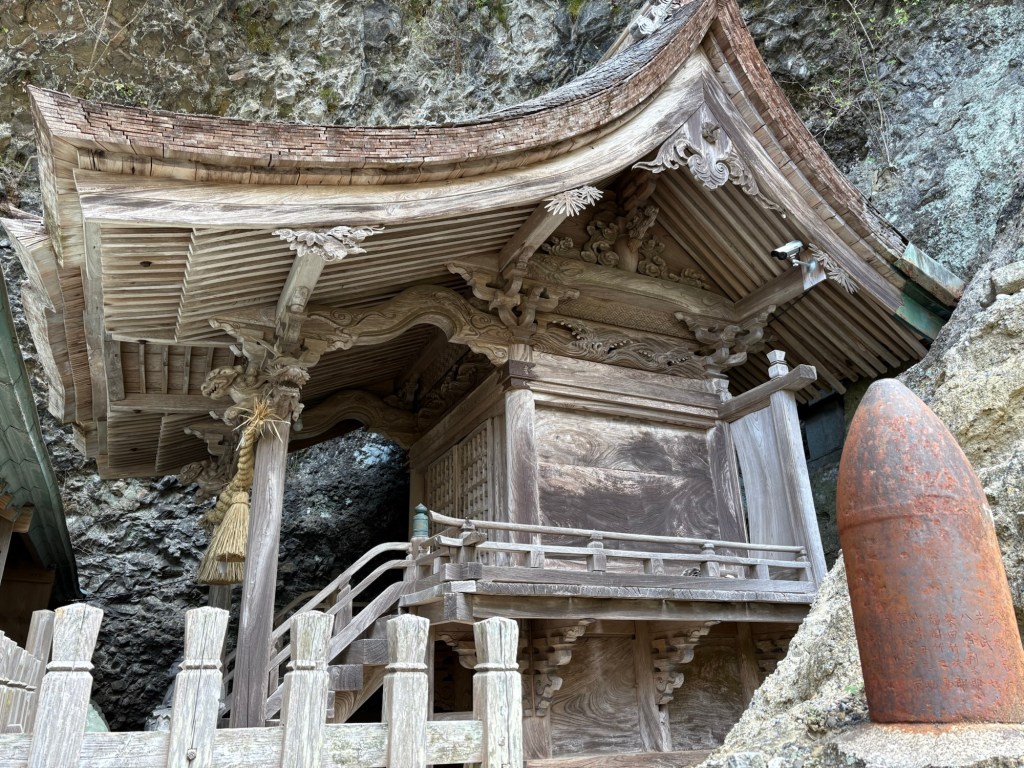
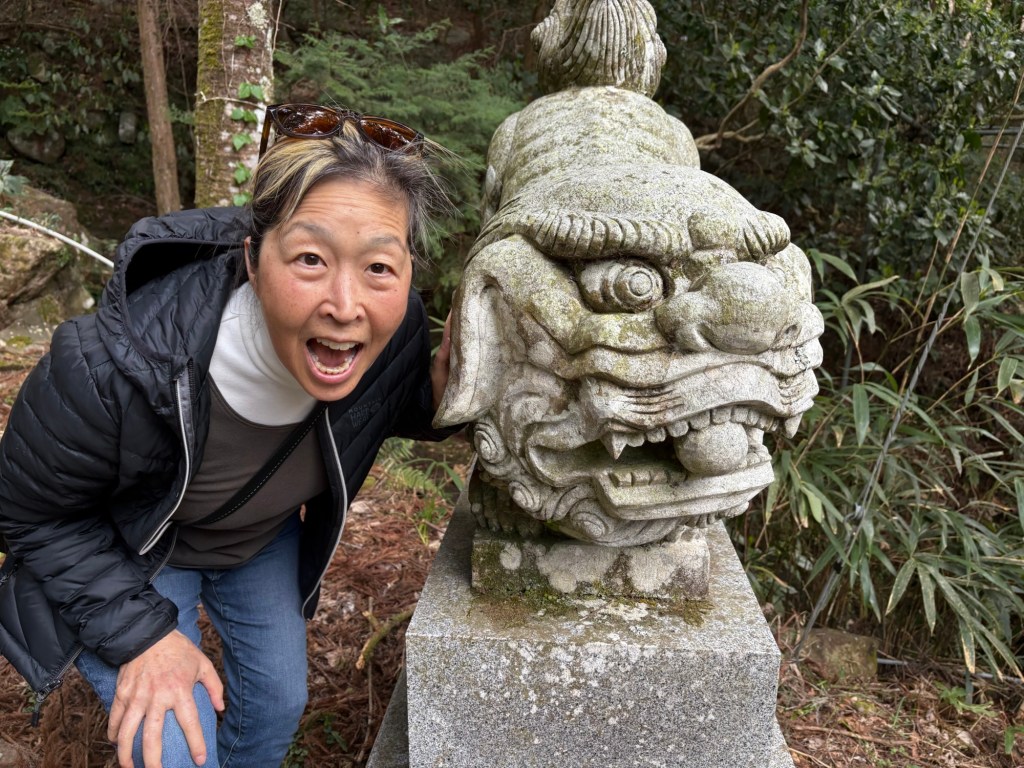
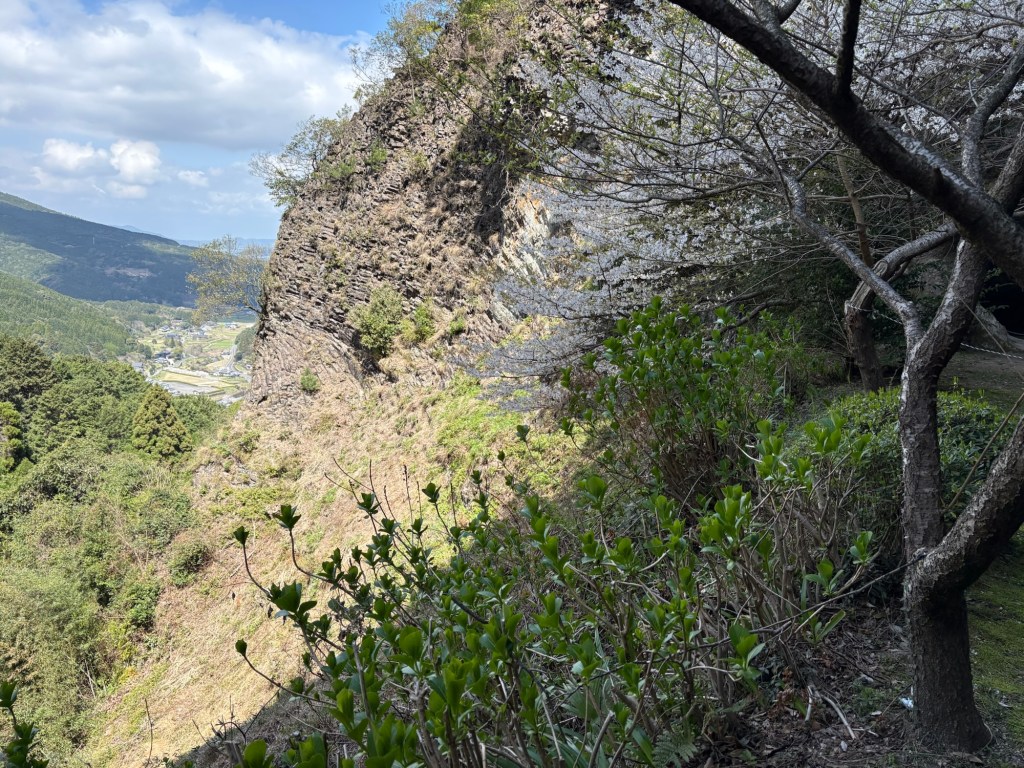
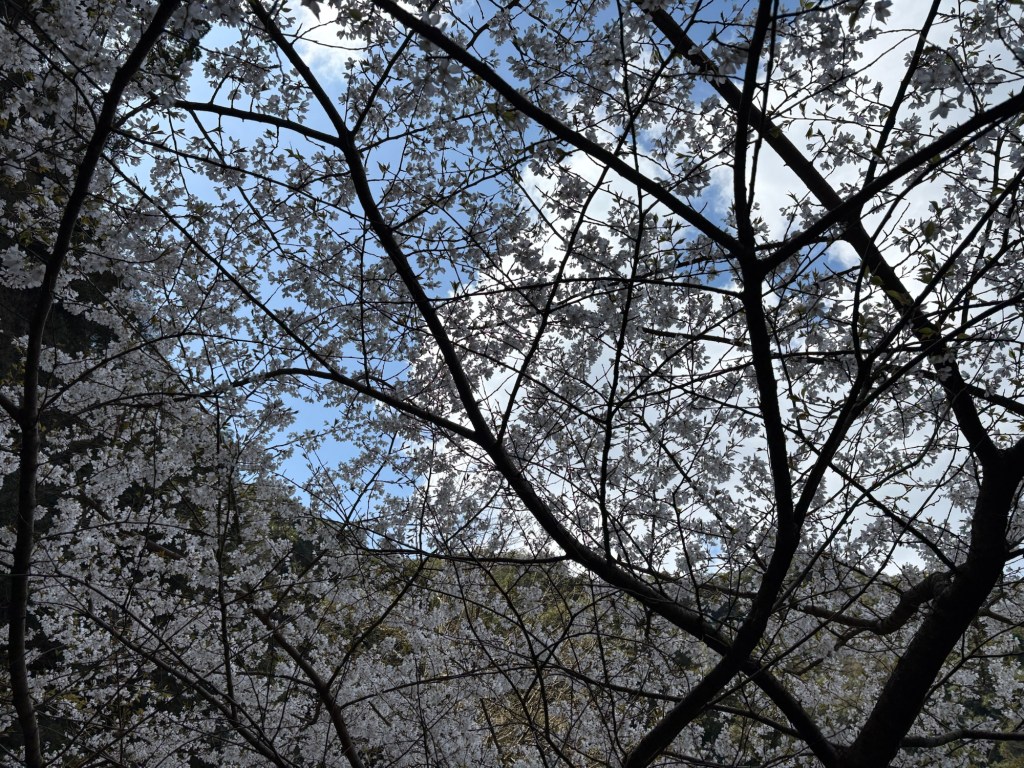
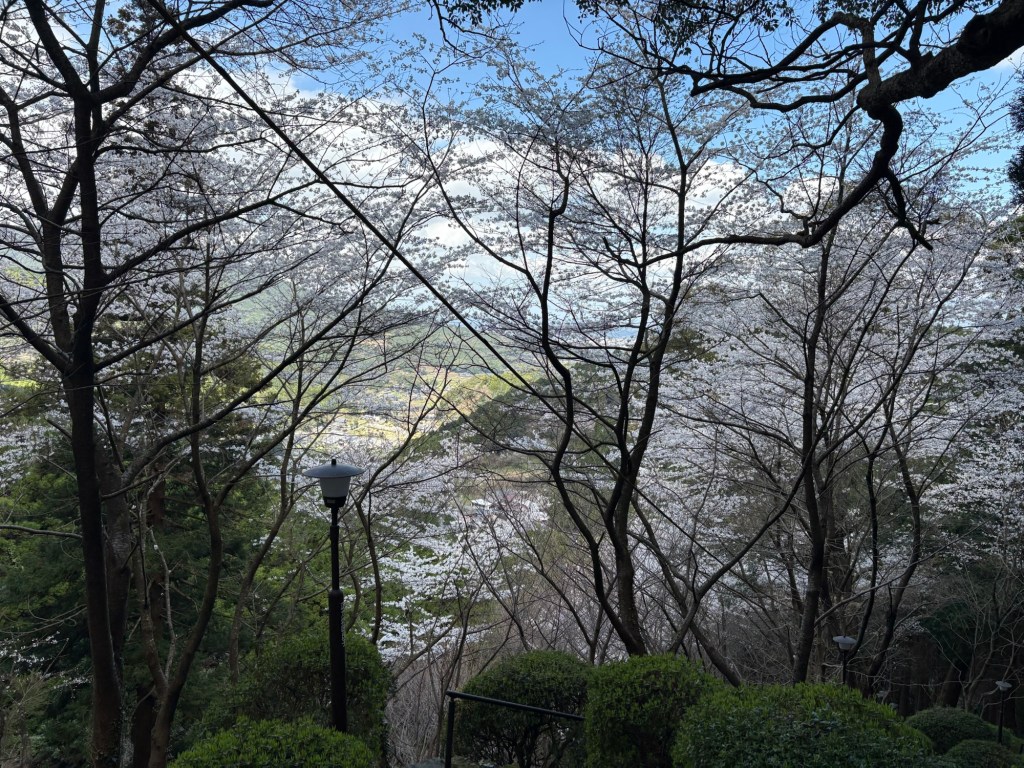
There were photos of past potters in the shrine, not a bad place to be remembered. The view was great and the cherry blossoms were in full form.
Down by the creek in town there was an antique water driven mortar that pounded the kaolin into usable clay.
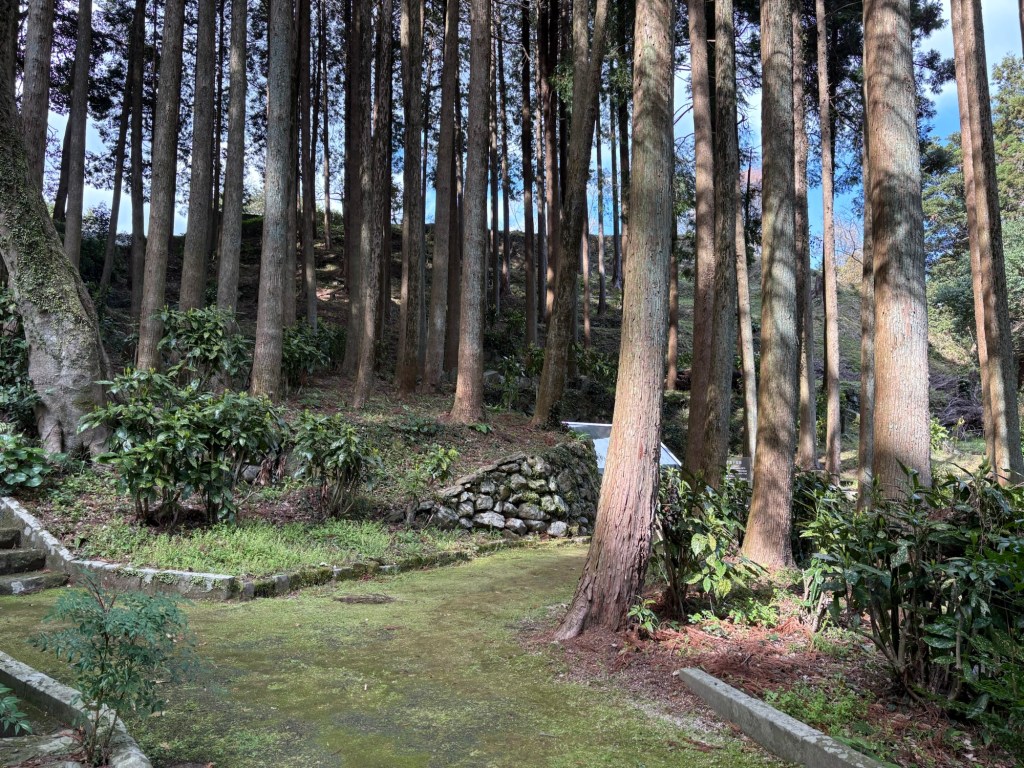
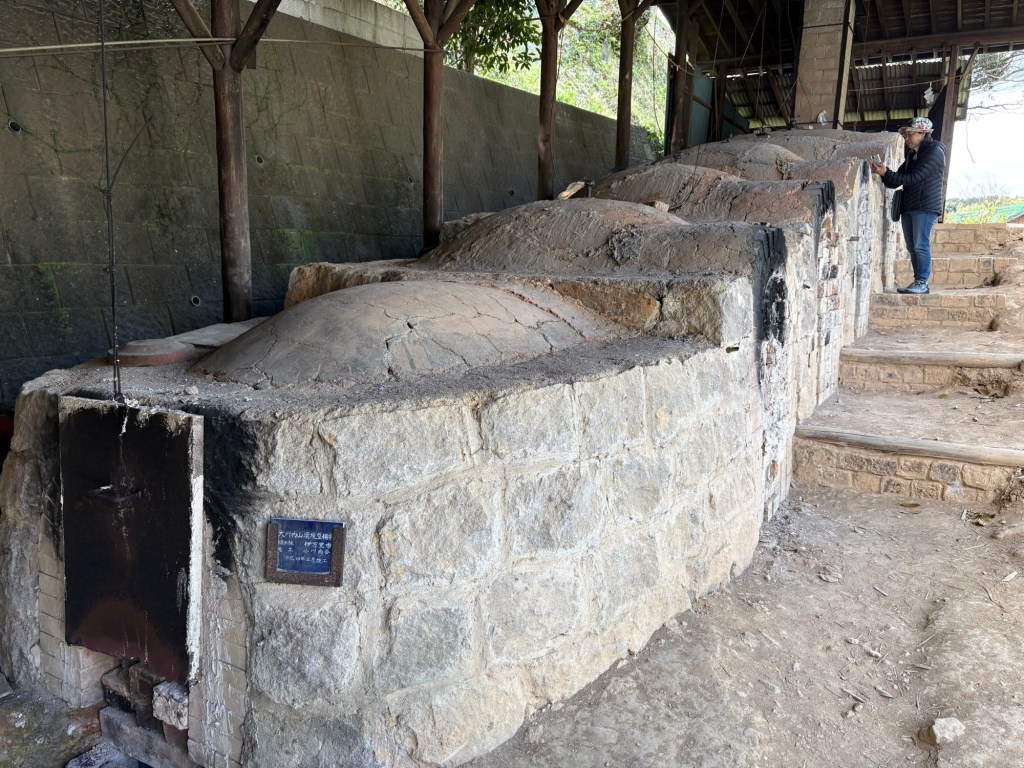
And yet more picturesque scenes along the creek and in the pottery park where the old climbing kilns were.
It was a visual feast of a day.
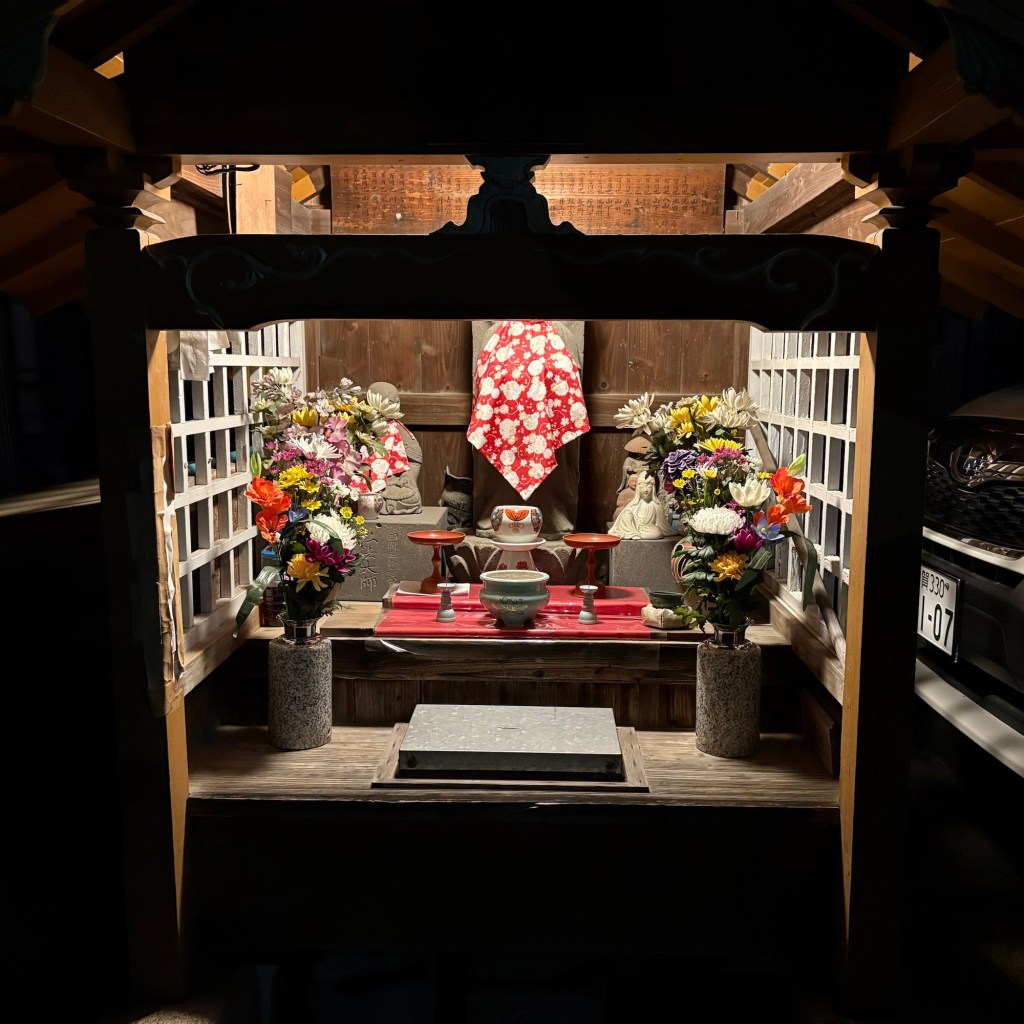
Walking back from dinner at a Korean restaurant we passed by this small shrine with its Imari ware as part of the offering. Ōkawachiyama and Imari (and Korea), I honor you too.
 Ken Chin-Purcell